Thinking about starting your own jewelry business or leveling up your retail game? Then you’re going to need a reliable wholesale jewelry manufacturer. The jewelry industry is booming—from delicate minimalist pieces to statement-making gold necklaces—and behind every successful retailer is a trusted supplier who delivers quality, affordability, and style on time.
This guide is your go-to resource for finding the best wholesale jewelry manufacturers. Whether you’re launching an online store, running a boutique, or scaling your Shopify brand, we’ve got you covered. We’ll walk you through what makes a great supplier, break down the top global manufacturers, and even show you how to avoid costly mistakes in the sourcing process.
Grab a coffee, because this isn’t just another list. It’s your ultimate roadmap to success in the sparkling world of jewelry retail.
Table of Contents
Understanding the Wholesale Jewelry Market
Before we dive into the top manufacturers, let’s get a grip on what the wholesale jewelry market looks like today. Trust us, understanding this space will give you a serious edge when you’re picking suppliers or planning your inventory.
Market Size and Trends
The global jewelry market was valued at over $300 billion in 2023 and is projected to grow steadily in the coming years. Why? Social media, influencer culture, and personalization have made jewelry more accessible and essential to fashion than ever before. The demand for both fine and fashion jewelry is soaring.
From lab-grown diamonds to eco-conscious recycled metals, customers are more informed and selective, and they expect variety and ethical sourcing. This is creating a new gold rush (pun intended) in the wholesale world, with thousands of manufacturers worldwide trying to get a piece of the pie.
Types of Jewelry in Demand
- Minimalist and stackable rings
- Personalized name necklaces
- Gemstone and birthstone pieces
- Gold-plated and stainless steel options
- Boho-inspired fashion jewelry
Whether you want to focus on costume jewelry or sterling silver, there’s a niche for every retailer.
Global Hubs for Jewelry Manufacturing
Some of the most important manufacturing centers include:
- China: Mass production and affordable pricing
- India: Precious metals and gemstones
- Thailand: High-quality sterling silver
- USA: Premium goods and fast domestic shipping
- Turkey & Italy: Gold jewelry and heritage craftsmanship
Each hub offers unique advantages based on your retail strategy and target market.
Benefits of Buying Wholesale Jewelry for Retail

Buying wholesale isn’t just about getting cheap prices. It’s a strategic move that gives you the flexibility, profit margin, and variety to stand out.
1. Cost-Effectiveness
Retailers can mark up wholesale jewelry anywhere from 2x to 10x, depending on the branding and design. By purchasing in bulk, you significantly reduce the cost per unit, increasing your margins.
2. Access to Trending Designs
Most wholesale manufacturers are plugged into global fashion trends. This means you get first dibs on trending styles before they hit mainstream fashion outlets. A good supplier often updates their catalogs weekly or monthly, so you’re always in vogue.
3. Private Label & Branding Opportunities
Some manufacturers offer white-label or OEM (Original Equipment Manufacturer) services, allowing you to customize designs or add your brand logo. This is how small boutique retailers build loyal followings and recognizable brands.
4. Business Growth and Scalability
Once you establish a strong supplier relationship, scaling becomes easier. Whether it’s restocking a best-seller or launching a seasonal collection, you can count on consistency in supply and quality.
Factors to Consider When Choosing a Jewelry Manufacturer

Selecting a jewelry supplier isn’t a decision to rush. Here’s what to look out for to ensure you’re choosing a winner.
1. Product Quality
Don’t be fooled by pretty pictures. Insist on samples. Look for:
- Material: Sterling silver, stainless steel, gold plating, etc.
- Finishing: Smooth edges, no loose stones, secure clasps
- Durability: Will the piece tarnish in a week?
2. Pricing and Minimum Order Quantity (MOQ)
Check if their pricing fits your budget, and if the MOQ is realistic for your business. Some suppliers ask for 100+ units per SKU, while others are more flexible.
3. Customization Options
Can they engrave, change materials, or produce your designs? The ability to customize is key if you want to stand out in a crowded market.
4. Certifications and Ethical Practices
Ask if they follow:
- ISO certification
- Fairtrade practices
- Conflict-free gemstone sourcing
A growing number of consumers care deeply about where their jewelry comes from.
5. Shipping & Logistics
Fast, reliable, and affordable shipping matters. See if they offer:
- Global shipping
- Insurance and tracking
- Express options
Also, double-check return policies and warranties.
Types of Jewelry Manufacturers
Choosing the right type of jewelry manufacturer depends heavily on your niche, target market, and business goals. There’s no one-size-fits-all solution. Let’s break down the main categories so you can decide what works best for your store.
Fine Jewelry vs. Fashion Jewelry Manufacturers
Fine jewelry manufacturers specialize in luxury products—think gold, platinum, diamonds, and high-end gemstones. These are ideal for premium or high-ticket stores and often come with higher MOQs and tighter quality controls. Expect to pay a premium, but the craftsmanship and materials are top-tier.
On the flip side, fashion jewelry manufacturers focus on trendy, affordable pieces. These typically use materials like stainless steel, zinc alloy, cubic zirconia, or resin. Perfect for fast-fashion brands, pop-up shops, or Instagram boutiques that want to offer style without the price tag.
Key differences:
| Feature | Fine Jewelry | Fashion Jewelry |
|---|---|---|
| Materials | Gold, silver, diamonds | Alloy, rhinestones, enamel |
| Price Range | High | Low to medium |
| Target Audience | Luxury buyers | Trend-driven shoppers |
| MOQ | Often higher | Often lower or flexible |
OEM vs. ODM Manufacturers
- OEM (Original Equipment Manufacturer): These manufacturers produce your custom designs. You send them sketches or 3D models, and they make the pieces for you. This is best for building a unique brand with proprietary products.
- ODM (Original Design Manufacturer): They have ready-made collections you can rebrand. It’s a faster route to market and perfect if you’re just getting started or want to test new products quickly.
If you’re building a jewelry line with a signature aesthetic, OEM is worth the investment. But if speed and budget are your priorities, ODM is your best bet.
Artisanal and Niche Manufacturers
Some retailers prefer to work with small-scale, handmade jewelry manufacturers—especially for bohemian, eco-friendly, or local crafts. These artisans might not operate on massive volumes, but they can offer one-of-a-kind pieces, customization, and storytelling, which is priceless for brand identity.
You’ll find a lot of these on platforms like Etsy Wholesale, Faire, or through local sourcing trips in countries like India, Nepal, or Morocco.
Top Wholesale Jewelry Manufacturing Regions
Let’s take a global tour of the major players in the jewelry manufacturing industry. Each country brings something unique to the table—from price to craftsmanship to design.
1. China
China is the powerhouse of the jewelry manufacturing world. Whether it’s stainless steel rings, statement necklaces, or bridal jewelry sets, China produces it all—fast and affordably.
- Pros: Massive selection, competitive pricing, and tech-enabled factories
- Cons: Quality can vary; requires careful vetting
Hotspots: Yiwu, Guangzhou, and Shenzhen
2. India
India is known for gemstones, gold jewelry, and handcrafted artistry. If you’re sourcing ethnic styles, temple jewelry, or even fine gold bangles, India is your place.
- Pros: Exceptional craftsmanship, gem setting expertise
- Cons: Language barriers and longer lead times in some cases
Hotspots: Jaipur, Mumbai, Surat
3. Thailand
Thailand has built a reputation for high-quality sterling silver jewelry. Many brands around the world source from here, especially for dainty, minimalist, and boho designs.
- Pros: Superior silver quality, experienced artisans
- Cons: Slightly higher price point
Hotspots: Bangkok, Chiang Mai
4. USA
American manufacturers focus more on fine jewelry, custom work, and ethical practices. Ideal if you’re selling to a luxury market or need fast domestic shipping.
- Pros: High quality, easy communication, fast turnaround
- Cons: Higher cost
Hotspots: New York, Los Angeles
5. Turkey
Turkey is a hidden gem for gold and silver jewelry, especially in the Middle Eastern and European styles. Expect intricate designs and competitive pricing.
- Pros: Strong tradition of craftsmanship
- Cons: Limited exposure on Western marketplaces
Hotspots: Istanbul, Ankara
6. Italy
The fashion capital of the world doesn’t disappoint when it comes to jewelry. Italian jewelry is synonymous with elegance, precision, and luxury. Ideal for retailers with a high-end clientele.
- Pros: Timeless design, heritage quality
- Cons: Expensive, long lead times
Hotspots: Vicenza, Arezzo
Top 10 Best Wholesale Jewelry Manufacturers for Retailers
Alright, time for the main event. Here are 10 of the best wholesale jewelry manufacturers for retailers, carefully selected based on quality, pricing, customization options, and reputation in the market.
1. Wangshajewelry (China)
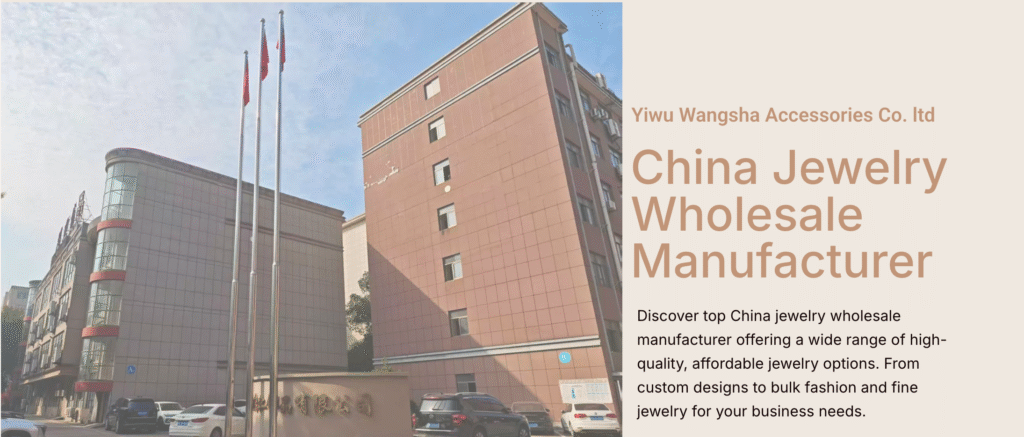
Wangsha jewelry is a go-to for budget-friendly, trendy fashion jewelry. Their catalog is massive, updated daily, and includes accessories like bags and hair clips too—perfect if you want a lifestyle store.
- MOQ: Low (as low as $100 order value)
- Specialties: Trendy necklaces, rings, and earrings
- Customization: Private label options available
- Pros: Very affordable, global shipping
- Cons: Variable quality, slower shipping for some regions
They also have a dropshipping program, making it easy for startups to launch without holding inventory.
2. ELF925 (Thailand)
ELF925 is known for high-quality sterling silver jewelry at wholesale prices. They’re ideal for stores targeting customers who want more than costume jewelry but don’t want to pay luxury prices.
- MOQ: Low, great for small retailers
- Specialties: 925 silver, kids’ jewelry, earrings
- Certifications: ISO 9001, audited facilities
- Pros: Excellent craftsmanship, ready-to-ship stock
- Cons: Limited to silver jewelry only
Bonus: Their website is super user-friendly with real-time stock updates and direct ordering.
3. JewelryBund (China)
JewelryBund offers thousands of styles in fashion jewelry, updated constantly to reflect global trends. Their biggest strength? Competitive pricing.
- MOQ: Around $99 minimum order
- Specialties: Costume jewelry, boho pieces, wedding sets
- Pros: Great for fast-fashion retailers, low entry costCons: Less customization support
They have warehouses in both China and the USA, helping with faster shipping depending on your region.
4. Wona Trading (USA)
Located in the heart of New York, Wona Trading offers curated, trendy fashion jewelry that’s perfect for boutiques and gift stores.
- MOQ: Flexible
- Specialties: Statement pieces, seasonal jewelry, bridal accessories
- Pros: Trend-forward, quick shipping in the US
- Cons: Slightly higher price point than Asian suppliers
They’re very active on social media and showcase new arrivals often—great for keeping your inventory fresh.
5. DWS Jewellery Pvt. Ltd. (India)
DWS Jewellery is a prominent manufacturer and exporter based in Jaipur, India—known globally as the gemstone capital. If your store focuses on gemstone jewelry, this supplier is a must-check.
- MOQ: Moderate, depending on design
- Specialties: Natural gemstones, handmade silver & gold jewelry
- Customization: Full OEM services, CAD design available
- Certifications: ISO certified, ethical sourcing
Why Retailers Love DWS:
They blend traditional Indian craftsmanship with modern technology. Whether you’re looking for boho gemstone rings, kundan bridal sets, or customized pendants, DWS can handle it. They also provide full support for private labeling—including packaging and branding.
Cons:
- Communication may take longer due to time zone differences
- Lead times can be longer for complex custom pieces
But if you’re looking to build a unique, premium line of jewelry, especially one that tells a cultural or artisanal story, DWS is an excellent partner.
6. Stuller Inc. (USA)
Stuller is a heavyweight in the American jewelry manufacturing scene. They supply everything—from finished fine jewelry to tools, mountings, and even diamonds—to thousands of retailers and bench jewelers.
- MOQ: No strict minimums
- Specialties: Fine jewelry, diamonds, tools & findings
- Customization: CAD/CAM services, engraving, branding
- Certifications: GIA-certified stones, ethical sourcing
What Sets Stuller Apart:
- They offer next-day shipping for most in-stock items in the U.S.
- Access to loose diamonds and gemstones, allowing retailers to offer made-to-order pieces
- Integration tools for jewelry retailers and e-commerce platforms
Downside:
- Pricing is on the higher end
- Not ideal for fashion or costume jewelry retailers
But if you’re a fine jewelry retailer looking for a reliable U.S.-based supplier, Stuller is one of the best.
7. GemPacked (USA)
GemPacked is based in Los Angeles and specializes in gemstones, findings, and custom jewelry components. Ideal for retailers who also design or assemble their own pieces.
- MOQ: Very low (great for beginners and small businesses)
- Specialties: Loose gems, settings, charms
- Customization: Some custom work available
- Ethics: Recycled metals, conflict-free stones
Best For:
- Handmade jewelry businesses
- Etsy sellers who want to source components for custom orders
- Boutiques that offer “design your own jewelry” experiences
Cons:
- Not a one-stop shop for finished pieces
- Limited large-scale manufacturing capability
Still, if your business is rooted in creativity and personalization, GemPacked offers the perfect materials.
8. Alamode Fashion Jewelry (USA)
Alamode is all about trend-based fashion jewelry. Their prices are extremely competitive, and they operate with no MOQ, which is amazing for beginner retailers or dropshippers.
- MOQ: None (yes, really)
- Specialties: Fashion jewelry, rhinestone pieces, edgy trends
- Dropshipping: Available with easy integration
- Private Labeling: Possible with larger orders
Why They’re Popular:
- Trend-savvy collections, perfect for Gen Z and millennial buyers
- New arrivals every week
- Helpful B2B features like live inventory and CSV downloads
Limitations:
- Not suitable for fine jewelry stores
- Mostly focuses on the U.S. market
Still, for high-turnover fashion inventory, Alamode is a great supplier to have on your list.
9. HKTDC Suppliers (Hong Kong)
HKTDC is a supplier directory hosted by the Hong Kong Trade Development Council. It’s not a manufacturer itself but connects you to thousands of verified jewelry manufacturers from across Asia.
- MOQ: Varies by supplier
- Specialties: Everything from gold to costume jewelry
- Verification: Many suppliers are certified exporters
Why Use HKTDC?
- Ideal if you want to compare several manufacturers in one place
- Access to Hong Kong jewelry expos and virtual trade shows
- Filters for product type, materials, and supplier location
Cons:
- Overwhelming for beginners
- Requires more vetting and due diligence
If you’re ready to scale and need multiple sourcing options, HKTDC is a goldmine.
10. Oro China Jewelry (Philippines)
Oro China is a premium jewelry manufacturer from the Philippines that blends Filipino heritage designs with modern luxury. They’re one of the top exporters in Southeast Asia and cater to both local and global markets.
- MOQ: Moderate to high
- Specialties: Gold, pearls, and heritage designs
- Customization: Yes, full OEM available
- Certifications: Government-approved exporter
Why Consider Oro China?
- Access to natural South Sea pearls
- Distinct design aesthetic—perfect if you’re targeting a niche
- Strong export infrastructure and English-speaking support
Limitations:
- Pricing is higher than Chinese suppliers
- Smaller production volume compared to China or India
For retailers who want something different and ethically crafted, Oro China offers a fantastic balance of quality and culture.
How to Verify Wholesale Jewelry Suppliers

You’ve found some amazing options—but how do you make sure they’re legit? Here’s how to avoid getting burned:
1. Request Samples
Never place a bulk order without ordering samples first. Test:
- Finish and durability
- Metal quality (ask for purity certificates)
- Packaging quality
2. Check Certifications
Legit manufacturers will have:
- ISO certification
- Fair Trade or Responsible Jewellery Council (RJC) memberships
- Gem lab reports (for diamonds and gemstones)
3. Read Reviews and Ask for References
Search for supplier reviews on:
- Alibaba/Trustpilot
- Reddit and niche forums
You can also ask for client references—any reputable supplier will be happy to share.
4. Use Trade Platforms with Buyer Protection
Platforms like Alibaba, Faire, or Tundra offer built-in protections, like refunds and dispute resolution.
Mistakes to Avoid When Sourcing Wholesale Jewelry
Even seasoned retailers can slip up when sourcing jewelry, especially from overseas. One bad batch can ruin your customer trust and cost you serious money. Let’s go through the most common mistakes to dodge, especially if you’re new to the wholesale game.
1. Skipping Product Sampling
This is a rookie mistake. Photos can be misleading—what looks like a shiny gold necklace online might turn out to be a flimsy, poorly-plated piece that turns green in a week. Always, always order samples before placing a large order. Test for:
- Plating quality and thickness
- Weight and feel
- Clasp durability
- Stone setting
A $30 sample could save you $3,000 worth of complaints later.
2. Not Asking About Materials
Just because something is labeled “gold jewelry” doesn’t mean it’s solid gold. Is it:
- 18k gold?
- Gold-plated over brass?
- Stainless steel with gold-tone?
Ask these questions upfront and request documentation or certificates. Be clear on what you’re selling—because your customers will be.
3. Ignoring Minimum Order Quantities (MOQs)
Some suppliers have sneaky MOQs hidden in the fine print. You might find out after checkout that you need to buy 50 units of each design. Avoid this by confirming MOQs on:
- Total order amount
- Per style/SKU
- Per customization
4. Relying on One Supplier
Putting all your eggs in one basket? Dangerous move. A production delay, holiday closure, or quality issue with your sole supplier can cripple your store. Instead, build relationships with 2-3 backup manufacturers, especially for your bestsellers.
5. Not Factoring In Hidden Costs
The price you see isn’t always the price you pay. Watch out for:
- Import duties and taxes
- Customs clearance fees
- Shipping costs (especially express or insured)
Always get a landed cost estimate (your total cost including delivery to your door) before placing an order.
6. No Written Agreements
If you’re doing custom jewelry or private labeling, never rely on a verbal promise or email thread. Get a clear contract that outlines:
- Product specs
- Lead time
- Payment terms
- Refund/replacement policy
Tips for Building Long-Term Partnerships with Manufacturers

Once you’ve found a good supplier, don’t just treat them like a vending machine—build a relationship. Strong supplier partnerships lead to better deals, priority treatment, and smoother operations. Here’s how to build a lasting connection:
1. Communicate Clearly and Often
Suppliers aren’t mind readers. Make sure you:
- Use clear product codes and specifications
- Confirm timelines and expectations
- Follow up regularly (but politely)
Use platforms like WeChat, WhatsApp, or Skype for real-time communication. Don’t rely only on email.
2. Be Consistent
If you order once and disappear, you won’t be prioritized. But if you order regularly—even in small quantities—you’re more likely to get better:
- Pricing
- Production speed
- Access to new collections
Treat your manufacturer like a business partner, not just a transaction.
3. Pay On Time
Want to build trust fast? Always pay your invoices on time, especially when you’re scaling up. Reliable buyers often get:
- Better payment terms
- First access to limited stock
- VIP-level service
4. Visit If You Can
If possible, visit the factory. It shows you’re serious and gives you a first-hand look at their operations. If a visit isn’t possible, ask for:
- Factory tour videos
- Live virtual walkthroughs
5. Provide Feedback
Good manufacturers appreciate constructive feedback. If something didn’t meet your expectations, tell them—politely. It helps them improve and shows you’re invested in a long-term relationship, not just placing random orders.
Wholesale vs. Dropshipping Jewelry: What’s Better for Retailers?
This is a common dilemma for new jewelry retailers. Let’s break down both models and see which suits your business.
Wholesale Jewelry
Pros:
- Higher profit margins
- More control over quality and packaging
- Can customize or private label
Cons:
- Upfront investment
- Need space for inventory
- Risk of unsold stock
Dropshipping Jewelry
Pros:
- No inventory cost
- Easy to test products
- Quick setup
Cons:
- Lower profit margins
- Less control over quality and delivery times
- Harder to build a brand
Which Should You Choose?
- Just starting out? Try dropshipping to test styles and suppliers.
- Want full control and higher margins? Go wholesale and brand your own line.
- Hybrid approach? Start with dropshipping, then wholesale your bestsellers.
E-commerce Platforms to Source Jewelry Manufacturers
Finding good jewelry suppliers is easier today thanks to B2B e-commerce platforms. Here are some top platforms where you can connect with vetted manufacturers:
1. Alibaba
- Global access
- Thousands of suppliers
- Trade assurance for safe transactions
2. Faire
- Designed for boutique retailers
- Low MOQs
- Net 60 payment terms
3. Tundra
- No commissions
- U.S. and Canada-focused suppliers
- Streamlined interface for reordering
4. DHGate
- Low-cost suppliers
- Great for testing trends
- Watch out for quality control
5. IndiaMART & TradeIndia
- Ideal for sourcing Indian manufacturers
- Easy to request quotes
- Lots of handcrafted and gemstone jewelry options
Each platform has its pros and cons. Take time to vet suppliers, read reviews, and start small before scaling.
Final Thoughts on Choosing the Right Jewelry Manufacturer
Finding the best wholesale jewelry manufacturer for your retail business is not just about price—it’s about trust, consistency, and value. Whether you’re building a luxury brand, a trendy TikTok shop, or a gemstone-focused boutique, your supplier will directly impact your success.
Start with clarity: Know what niche you’re in, what materials you want, and what your customers value. Then test multiple suppliers, build strong relationships, and stay flexible.
The right manufacturer won’t just fill orders—they’ll help you build your brand.
Conclusion
The jewelry world is glittering with opportunities—but only if you partner with the right people behind the scenes. From China’s trend factories to Italy’s luxury houses and everything in between, wholesale jewelry suppliers are as diverse as the styles they create.
Choose wisely. Vet thoroughly. And most importantly—think long-term. When you find a supplier who matches your brand’s vision and values, you’re not just buying jewelry… you’re investing in the future of your business.
FAQs About wholesale jewelry suppliers

1. What’s the typical MOQ for wholesale jewelry suppliers?
It varies. Some suppliers like Alamode and ELF925 offer low or no MOQs, while fine jewelry manufacturers may require orders of 50–100 pieces per design.
2. Can I brand my own designs with these manufacturers?
Yes. Many manufacturers offer OEM services, allowing you to submit custom designs, logos, and packaging for a fully branded experience.
3. How do I avoid scams when sourcing internationally?
Use verified platforms like Alibaba or Faire, always request samples, and check reviews and certifications. Avoid deals that seem “too good to be true.”
4. Is it better to go local or overseas for sourcing?
It depends. Local suppliers offer faster shipping and easier communication but at a higher cost. Overseas suppliers are cheaper but come with longer lead times and require more vetting.
5. What certifications should I ask for from jewelry suppliers?
Look for ISO certification, RJC membership, and gem lab reports if dealing with gemstones. Also, ask about ethical sourcing and conflict-free guarantees.