
Wenn Sie in die Welt der Schmuckbeschaffung einsteigen wollen, haben Sie wahrscheinlich schon von der Yiwu Jewelry Market. Located in China’s Zhejiang Province, Yiwu is not just a city—it’s a wholesale paradise. Think of it as a massive maze of shops and showrooms stretching over miles, dedicated to almost every product imaginable. But among its biggest attractions? Jewelry.
From shiny earrings to dazzling bangles and minimalist necklaces, Yiwu offers everything a jewelry buyer could dream of, and at prices that make business sense.
So why is Yiwu the go-to destination for jewelry beginners? Simple—affordability, variety, and accessibility. Whether you’re launching your own boutique, selling on Etsy, or running a small e-commerce store, the Yiwu Jewelry Market gives you a head start. You don’t need to place gigantic orders or invest thousands. Many suppliers are open to low MOQs (Minimum Order Quantities) and are accustomed to working with small businesses and new entrepreneurs.
This guide is your roadmap to navigating the Yiwu Jewelry Market as a beginner. We’ll walk through everything—from getting there and finding trustworthy suppliers to bargaining tips and shipping logistics. Ready to turn your jewelry dreams into reality?
Let’s dive in.
Inhaltsübersicht
Überblick über die Internationale Handelsstadt Yiwu
Yiwu International Trade City isn’t just a marketplace—it’s a mega-complex of commerce. Also known as the Futian Market, it covers over 5 million square meters and houses more than 75,000 booths. Think of it like a shopping mall on steroids, except instead of clothing and food courts, it’s packed with product categories like toys, home decor, stationery, and yes—jewelry.
The trade city is divided into five districts, and each district has multiple floors categorized by product types. For jewelry buyers, District 1 and District 2 are your main playgrounds. Here’s a quick breakdown:
- District 1: This is where you’ll find a large portion of the fashion jewelry suppliers.
- District 2: Known for accessories and trendy items, this is another must-visit for jewelry.
- Each booth is typically run by a manufacturer or trading company, offering everything from catalogs to samples and pricing.
There are information desks and translation services available, plus you can easily hire a local guide if needed. The entire setup is designed for bulk buyers, but don’t worry—many suppliers are happy to cater to small orders too, especially if you show potential to scale.
The Jewelry Section at Yiwu Market
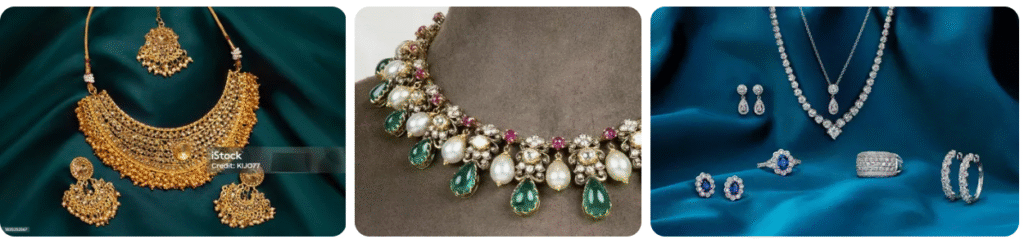
Now let’s get into the sparkle and shine! The jewelry section in Yiwu is a true treasure trove. From the moment you walk in, you’re greeted by aisles of glittering displays—necklaces, earrings, bracelets, rings, brooches, anklets, and more. If it can be worn and dazzles under light, you’ll find it here.
What’s truly incredible is the range of styles. Whether you’re into boho chic, minimalist elegance, hip-hop bling, or vintage classics, there’s something for every taste. Suppliers display samples in glass cabinets, and you’re free to touch, feel, and inspect the pieces up close.
As a beginner, you’ll appreciate the clear labeling, catalog books, and sample packages many vendors provide. Most of them have ready stock for immediate orders and can also customize products based on your requests. Want your brand’s logo? Prefer rose gold over silver? Fancy a pearl addition? Most suppliers are open to discussions—even for small quantities.
There are also sections within the jewelry area that focus on specific materials:
- Plastic and resin jewelry
- Metal-based accessories
- Beaded items
- Imitation gemstones and pearls
Just remember to pace yourself. The jewelry section alone can take two or three days to fully explore if you want to make informed choices.
Types of Jewelry You Can Find
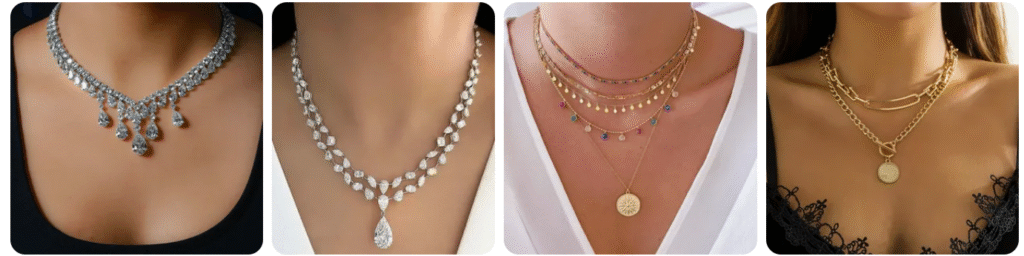
The beauty of Yiwu lies in its versatility. Here’s a breakdown of what kind of jewelry you’ll stumble upon:
- Fashion/Costume Jewelry: Affordable and trendy. Think rhinestones, alloy metals, and acrylic pieces. Perfect for seasonal collections or fast fashion.
- Imitation Jewelry: Looks like gold or diamond but uses non-precious metals and stones. Great for bridal shops or themed events.
- Semi-Precious Jewelry: You can also find pieces made with materials like turquoise, amethyst, or freshwater pearls. A bit pricier but still accessible.
- Ethnic and Traditional Jewelry: Suppliers offer Indian, African, Arabic, and Chinese cultural designs in bulk.
- Minimalist & Modern: Sleek lines, matte finishes, geometric shapes—ideal for contemporary markets.
If you’re unsure what to buy, start by identifying your target market back home. Are you selling to teens? Bridal boutiques? Boho fashion lovers? Yiwu has a niche for every segment, which is why it’s such a hotspot for jewelry entrepreneurs.
Why Yiwu is a Global Jewelry Sourcing Hub
So, what makes Yiwu so magnetic to buyers around the globe? It’s not just the size—it’s the perfect storm of price, variety, and accessibility. Let’s break this down.
First, the pricing. Yiwu is famous for its unbeatable wholesale rates. Because you’re buying straight from the source—often manufacturers themselves—you avoid middlemen, retail markups, and import costs from elsewhere. For a beginner working on tight margins, that’s a game changer. You can test products without a massive investment.
Second, the sheer variety. We’re talking about thousands of jewelry booths offering millions of styles. Whether you want 90s nostalgia, high-fashion knockoffs, K-pop accessories, or handmade artisan designs, it’s all there. And since trends evolve fast, suppliers in Yiwu stay ahead of the curve—they update their offerings regularly to reflect global demand.
Third, ease of doing business. Many suppliers are used to working with overseas buyers. They’ll provide catalogs, help with shipping, and even offer English-speaking sales reps. They’ve built their operations around being export-friendly. That’s rare and valuable when you’re just starting out.
Finally, Yiwu has solid infrastructure. It’s near major ports like Ningbo and Shanghai, has logistics hubs on-site, and supports buyers with banks, hotels, and sourcing agents everywhere you turn. The ecosystem is designed to support commerce from every angle.
In short? Yiwu isn’t just a market. It’s a global jewelry business platform, and you don’t need to be a seasoned importer to plug in.
How to Get to Yiwu Jewelry Market
Now let’s talk logistics. Getting to Yiwu is surprisingly easy, even if it sounds like a far-flung destination. Here are your best options:
- By Air: You can fly into Hangzhou Xiaoshan International Airport (HGH), which is the nearest major airport—about 1.5 hours away from Yiwu by car or train. From there, it’s a smooth ride via bullet train or taxi.
- By Train: High-speed trains connect Yiwu to major Chinese cities like Shanghai, Guangzhou, Shenzhen, and Beijing. A train from Shanghai to Yiwu takes around 2 hours, making it super convenient.
- By Car/Taxi: You can also hire a private car or driver if you’re traveling in a group or want more comfort. It’s a bit more expensive but worth it for flexibility.
Once you arrive in Yiwu, head straight to Yiwu International Trade City. It’s huge but well-organized. You’ll find signs in both Chinese and English, and taxis or Didi (China’s Uber) can take you directly there if you’re not staying nearby.
Profi-Tipp: Stay in a hotel within walking distance of the market. Hotels like the Yiwu Marriott oder Sanding New Century Grand Hotel cater to international buyers and often offer free shuttles to the market.
When you step into the Trade City, grab a map at the information desk or use digital apps (more on that later) to locate the jewelry zones. You’re now ready to explore.
Best Time to Visit Yiwu Market
Timing is everything. While Yiwu operates year-round, there are smart ways to plan your trip based on seasonal cycles and peak demand.
- Best Months: Aim for March to May oder September to November. These are prime seasons for new product launches, and the weather is also pleasant for travel.
- Avoid: Chinese New Year (late January or February). The entire country essentially shuts down for two weeks or more, and the market closes during this time.
- Trade Fairs: Yiwu hosts the Yiwu-Messe every October—one of the biggest import/export events in China. It’s a great time to see new collections, meet suppliers, and network.
- Opening Hours: The market typically runs from 9:00 AM to 5:00 PM, Monday through Saturday. Some booths may be open on Sundays, but it’s best not to rely on that.
Also, weekdays are less crowded compared to weekends. If you want more time to talk with suppliers and inspect products, go mid-week.
Remember, trends in jewelry change rapidly. Visiting in the right season gives you first dibs on fresh designs, helping you beat competitors in your home market.
Finding Reliable Jewelry Suppliers

Here’s where things get real. With thousands of booths, how do you know who to trust?
Start by observing the supplier’s booth:
- Professional display: Clean, organized booths with labeled samples and catalogs are a good sign.
- Product tags and certifications: If they can show export licenses or safety standards, even better.
- Years in business: Many booths display how long they’ve been in operation.
Next, ask the right questions:
- “Do you offer OEM or private label services?”
- “Can you share your export experience?”
- “What’s your MOQ and lead time?”
- “Do you have existing overseas clients?”
Check if they’re listed on YiwuGo.com, a semi-official supplier platform. This adds another layer of credibility.
Also, don’t make big purchases on the first day. Take time to walk around, compare prices, and revisit suppliers. Take pictures of their booth numbers and business cards so you can follow up later.
If you’re unsure, consider hiring a local sourcing agent. They can help vet suppliers, translate, and even follow up after you leave China.
Understanding MOQ (Minimum Order Quantity)
MOQ—Minimum Order Quantity—is one of the first terms you’ll hear in Yiwu. For beginner buyers, this can be a hurdle or an opportunity depending on how you handle it.
Most jewelry suppliers in Yiwu have niedrige MOQs compared to other markets. While some booths may require a MOQ of 300–500 pieces per design, others may let you mix styles to meet that number.
Here’s how to work with MOQs:
- Negotiate mix-and-match orders: Many suppliers will allow you to combine different colors or designs as long as the total quantity meets the MOQ.
- Ask for sample orders: Even if the MOQ is high, they may allow a small “test” batch.
- Build a relationship: If they see potential in you, they may reduce MOQs for future orders.
- Factor in packaging: Sometimes MOQ is based on packaged units (e.g., 100 packs of earrings, 12 pairs each).
Avoid pushing too hard on MOQ if you’re not planning to scale. Instead, focus on suppliers who specialize in small-batch production—they do exist, especially in the accessories sections.
Tips for Successful Bargaining in Yiwu

Bargaining in Yiwu isn’t just accepted—it’s expected. But there’s an art to it. Especially for beginners, knowing how to negotiate respectfully can save you a lot of money and help you build stronger relationships with suppliers.
Here’s how to do it right:
1. Start with a Smile
You’re not just negotiating prices—you’re building trust. A friendly attitude can go a long way. Suppliers are much more likely to offer better prices to buyers they like. Remember: business is personal in Yiwu.
2. Don’t Jump at the First Price
Vendors often quote higher prices to start. It’s normal. Your job? Ask for a better deal—but in a way that keeps the conversation positive.
- Try saying: “That’s a bit higher than I expected. Can you do better for 100 pieces?”
- Or: “If I take more designs, could you offer a discount?”
3. Bundle Products
If you’re buying different jewelry types from the same supplier (necklaces, bracelets, earrings), negotiate a total package price. This gives you more leverage than haggling per piece.
4. Know Your Target Price
Before you start negotiating, know what price range you’re comfortable with based on your resale plans. Have a mental budget and stick to it.
5. Walk Away (Politely)
If a supplier won’t budge and their price is out of your range, thank them and move on. You’ll often find similar products a few booths down—and sometimes, walking away brings the price down miraculously.
6. Volume = Power
Even if you’re starting small, let them know your long-term plans. “This is just a test order. If it goes well, I’ll be back for larger quantities.” That sentence alone can shift the negotiation in your favor.
Bargaining in Yiwu is about balance. Push too hard and you may offend; be too soft and you’ll overpay. Keep it light, friendly, and professional—and you’ll walk away with great deals and great connections.
How to Communicate Effectively with Suppliers
Language is often the biggest challenge for first-time visitors. While many Yiwu suppliers speak basic English, the level varies widely. But don’t worry—there are plenty of tools and strategies to keep communication smooth.
Use These Communication Tips:
- Keep it simple: Speak clearly, avoid slang, and use short sentences.
- Use pictures and samples: Visual aids are universal. Show what you want via images or bring physical samples.
- Download translation apps: Tools like Google Übersetzen, Baidu Translate, oder iTranslate Voice can be lifesavers in live conversations.
- Hire a translator: For serious negotiations, especially if you’re placing larger orders or discussing customizations, a local interpreter or sourcing agent is invaluable.
Written Communication:
Once you’re back home, you’ll likely continue chatting via WeChat (China’s go-to messaging app), WhatsApp, or email. Here’s how to make that work:
- Always summarize your order in writing.
- Ask for photos and videos before shipment.
- Verwenden Sie clear formatting: bullet points, numbered lists, and even basic Excel sheets to communicate your requirements.
Clear communication avoids misunderstandings, especially with things like:
- Materials and finishes
- Logo or branding
- Packaging styles
- Delivery timelines
Remember, you’re likely not their only customer. Make your communication easy to follow, and you’ll stand out as someone worth prioritizing.
Quality Control: How to Ensure Product Quality

One of the most common beginner mistakes? Falling in love with samples and then receiving a disappointing final product. In Yiwu, quality control is your responsibility—not the supplier’s. Here’s how to protect yourself.
1. Inspect Samples Thoroughly
When you receive a sample or see items on display:
- Check for loose stones, weak clasps, or sharp edges
- Look at the plating finish—does it tarnish easily?
- Feel the weight and comfort of the item
If something seems off, ask: “Is this the final version or just a prototype?”
2. Set Quality Expectations Clearly
Before placing an order, spell out exactly what quality level you expect:
- Use photos of the approved sample
- Write clear descriptions (e.g., “Gold-plated alloy with anti-tarnish coating”)
- Specify packaging type (individual bags, bubble wrap, display boxes)
3. Use Quality Control Agents
You can hire 3rd-party QC services in Yiwu or nearby cities to inspect the goods before shipping. They’ll:
- Visit the factory
- Randomly inspect batches
- Create a photo report
This can save you from disaster, especially on orders above $500.
4. Start Small
If you’re unsure about a supplier, start with a small test order. Check the quality when it arrives, and if it meets your standards, scale up.
In Yiwu, you’ll find everything from dollar-store level jewelry to export-quality fashion pieces. Your job is to be clear on what you want—and inspect it like your business depends on it (because it does!).
Shipping Your Jewelry from Yiwu
You’ve chosen your products, negotiated a deal, and paid your deposit. Now what? It’s time to ship your order home—but how?
1. Choose Your Shipping Method
- Luftfracht: Fast but expensive. Best for small orders or urgent deliveries.
- Seefracht: Cost-effective for large, bulky shipments. But it can take 30–45 days.
- Courier (DHL, FedEx, UPS): Simple and door-to-door. Good for first-time buyers with smaller orders.
- Yiwu Consolidation Services: Combine goods from multiple suppliers into one shipment to save cost.
2. Work with a Freight Forwarder
A freight forwarder arranges everything—pickup, packing, documentation, customs, and delivery. Many Yiwu agents specialize in helping small buyers.
Ask your supplier:
- “Do you work with a shipping agent?”
- “Can you include shipping in the price?”
Or find your own agent who:
- Speaks your language
- Offers online tracking
- Understands customs rules in your country
3. Documentation to Prepare
- Handelsrechnung
- Packliste
- Konnossement oder Luftfrachtbrief
- Certificate of Origin (sometimes required for customs)
Always track your shipment and stay in touch with your forwarder. Ask for photos of your goods before they’re packed.
Custom Jewelry and Private Label Options
Ever dreamed of launching your own jewelry brand? Yiwu makes that dream more accessible than you might think—even for beginners. Many suppliers offer OEM (Original Equipment Manufacturer) und ODM (Original Design Hersteller) services, which means you can either:
- Customize an existing design with your own twist
- Or create something completely from scratch
Here’s how to go about it.
1. Start Simple
Don’t feel like you need to reinvent the wheel. Begin by selecting a supplier’s existing design and simply:
- Add your logo or tag
- Choose custom colors or finishes
- Adjust materials (e.g., swap alloy for stainless steel)
This is the easiest route and often has lower MOQs (usually 100–300 units).
2. Full Custom Design
Want to create your own signature collection? You’ll need:
- A drawing or 3D file (some suppliers can help if you don’t have one)
- Specifications like material, dimensions, and finish
- Patience—for sampling, revisions, and prototyping
Expect higher costs upfront, as molds or sample fees are common. But you get a truly unique product in return.
3. Packaging and Branding
Yiwu suppliers often offer private label services too:
- Custom boxes
- Branded tags or labels
- Unique packaging inserts
Ask if they provide complete fulfillment, where they package everything ready-to-ship to customers. That’s perfect for e-commerce stores.
4. MOQ for Custom Orders
- Basic customization: as low as 100 pcs per item
- Full custom design: often 500–1000 pcs
Negotiate with multiple vendors to find someone flexible. Many understand that beginners are testing the market.
With the right partner, Yiwu can be your brand’s creative factory. You bring the ideas—they bring the production muscle.
Costs to Consider Beyond Product Price

So, you’ve found that perfect $0.80 necklace. But guess what? That’s just the beginning of your cost journey. Many beginner buyers overlook hidden expenses that can eat into your profit margins. Let’s break it down.
1. Shipping Costs
- Air shipping is fast but costly (e.g., $6–$10/kg)
- Sea shipping is cheaper but slower (e.g., $1–$3/kg)
- Courier is easy but often pricey per item
Always factor shipping into your cost-per-unit before pricing your product.
2. Import Duties & Taxes
Every country has different import rules. Research your:
- Customs duty rates (often 5–20% on jewelry)
- VAT or GST
- Threshold values (some small shipments may be tax-free)
You can check with your Spediteur or use online customs calculators for estimates.
3. Customs Brokerage Fees
If you’re shipping by sea, you may need a customs broker in your country. They handle the paperwork—but charge for it (usually $100–$300 per shipment).
4. Bank and Payment Fees
If you’re wiring money internationally, your bank may charge:
- Wire fees ($25–$50)
- Foreign exchange markups (1–3%)
Paying through platforms like Alibaba Handelsgarantie or using services like Wise can lower these costs.
5. Packaging and Labeling
Even basic poly bags cost money—so does custom packaging. Always clarify:
- Is packaging included?
- If not, how much per unit?
6. Agent or Translation Services
If you use a sourcing agent or translator in Yiwu, budget an extra $100–$300/day, depending on experience.
Planning your total landed cost = Product + Shipping + Duties + Fees + Extras. It’s the only way to price your jewelry competitively without surprises.
Digital Tools and Resources for Planning Your Yiwu Visit
Stepping into a market the size of a small city can be intimidating. But with the right digital tools, you can navigate Yiwu like a pro. Here are some must-have resources.
1. YiwuGo.com
This is the official online directory for Yiwu Market. You can:
- Search for jewelry suppliers
- Browse by category or district
- Contact vendors directly (via WhatsApp, WeChat, or phone)
Think of it as a digital preview before your trip.
2. WeChat
Everyone in Yiwu uses WeChat. It’s essential for:
- Staying in touch with suppliers
- Sharing product photos
- Getting price updates
Set it up before you go. It’s China’s all-in-one business communication app.
3. Translation Apps
- Google Übersetzen (offline version too)
- Baidu Translate (more accurate in Chinese)
- iTranslate Voice for real-time speaking translation
These tools are gold for quick chats and negotiations.
4. Maps & Navigation
Verwenden Sie Baidu Maps oder Gaode (Amap) instead of Google Maps—they’re more accurate in China. Mark your hotel, districts in the market, and nearby food spots.
5. Currency Converters & Budgeting Tools
Install apps like:
- XE Currency
- CalConvert
- Wise (for sending payments with lower fees)
Bonus tip: Download VPN software (like ExpressVPN) if you need to access blocked sites like Gmail or Google Docs while in China.
Success Stories: How Small Businesses Start from Yiwu
Want some inspiration? You’re not alone in using Yiwu as your launchpad. Many now-successful businesses started as small jewelry startups sourcing here. Here are a couple of real-world examples.
1. Etsy Boutique from Australia
Claire, a former teacher, visited Yiwu in 2019 with just $1,000. She focused on boho necklaces and stackable rings and worked with two small suppliers willing to do custom packaging. Within a year, she had over 1,500 sales on Etsy and now runs her store full-time.
2. Streetwear Jewelry Brand in the U.S.
Derrick wanted to create an urban men’s jewelry line—chains, rings, and grills. Yiwu’s hip-hop jewelry section was a goldmine. He used private labeling and now supplies local shops in Atlanta, plus runs a Shopify store with consistent monthly revenue.
3. Dropshipping Model
Even if you don’t hold inventory, you can use Yiwu suppliers as fulfillment partners. A UK entrepreneur partnered with a Yiwu vendor to print custom QR code jewelry and dropshipped directly to customers.
These stories share a common theme: humble beginnings + Yiwu = scalable business. With the right approach, you can absolutely build something big from something small.
Schlussfolgerung
Diving into the Yiwu Jewelry Market as a beginner might feel overwhelming at first—but once you understand how it works, it becomes one of the most powerful tools you can use to grow your jewelry business.
From incredible variety and competitive pricing to customization options and supportive suppliers, Yiwu offers everything you need to start strong. Whether you want to stock trendy pieces, launch a private label, or test the market with small orders, this is the ultimate playground for jewelry entrepreneurs.
Of course, success doesn’t happen overnight. Do your homework. Plan your trip. Learn the art of negotiation. Communicate clearly. And most importantly—build relationships. Suppliers in Yiwu aren’t just vendors—they’re potential partners in your journey.
You don’t need a big budget. You just need a smart strategy, a curious mind, and a willingness to hustle. Yiwu is waiting. Ready to make your move?
FAQs About Yiwu Jewelry Market

1. Do I need a business license to buy from Yiwu Jewelry Market?
Not necessarily. Many suppliers work with individuals and small businesses. However, having a business license can help with customs and shipping documentation.
2. Can I buy jewelry in small quantities for testing?
Yes, many vendors offer low MOQs or allow mixed-style orders. You can usually start with 100–200 pieces across multiple designs.
3. Is it safe to pay suppliers directly in Yiwu?
If you’re dealing with reputable vendors and using platforms like Alibaba Trade Assurance or a trusted freight agent, it’s generally safe. Avoid paying 100% upfront.
4. How do I handle product returns or quality issues?
Most sales in Yiwu are final. That’s why it’s crucial to inspect samples and hire quality control before shipping. Build relationships with vendors who offer after-sales support.
5. Can I ship directly to customers from Yiwu?
Yes! Some suppliers offer dropshipping or fulfillment services. You’ll need to work out logistics and branding details, but it’s a great model for e-commerce sellers.