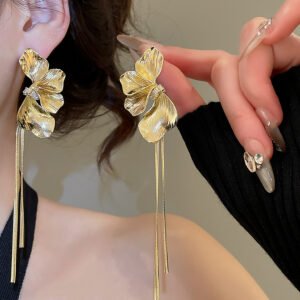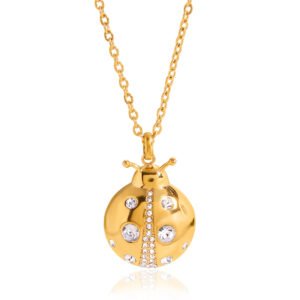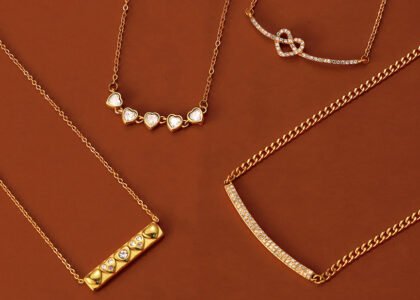

Se alguma vez andou por uma loja de moda e se perguntou de onde vinham todos aqueles brincos deslumbrantes, há uma boa hipótese de eles terem origem num único local: a China. Desde simples tachas a candelabros ornamentados, a China é o centro mundial de brincos económicos, elegantes e personalizáveis. Quer seja um principiante que está a explorar a ideia de começar o seu próprio negócio marca de jóias, Se é um vendedor intermédio que pretende expandir a sua linha de produtos ou um profissional experiente que pretende aumentar as suas operações, este guia é o seu recurso de referência.
Poderá estar a pensar: “Porquê a China?” A resposta é muito simples. Com fábricas enormes, técnicas de produção de vanguarda e a capacidade de produzir em escala com baixos custos gerais, a China tornou-se o local de eleição para os compradores de jóias a nível mundial. Não só a China oferece designs incrivelmente diversificados, como o país também acompanha as tendências da moda em rápida mudança. Por isso, quer se trate de uma boutique, de uma loja online ou de uma operação em grande escala, há aqui algo para todos.
Neste guia definitivo, iremos abordar tudo - desde compreender o mercado até encontrar fornecedores fiáveis, negociar acordos, gerir a expedição e até comercializar os seus produtos. Considere este o seu roteiro para o sucesso no negócio grossista de brincos. Vamos mergulhar.
Índice
Compreender o mercado chinês de jóias por atacado

O mercado grossista de jóias na China é enorme, está profundamente enraizado e em rápida evolução. Durante décadas, a China posicionou-se como líder mundial no sector da produção graças aos seus baixos custos laborais, capacidades de produção avançadas e vastas cadeias de abastecimento. Os brincos, por serem leves e estarem na moda, são um dos artigos de joalharia mais exportados do país.
Cidades como Yiwu, Guangzhou, e Shenzhen são conhecidas como pontos quentes para o comércio de jóias. Yiwu, por exemplo, é a sede da Cidade de comércio internacional de Yiwu, O mercado de brincos é um dos maiores mercados grossistas do mundo. Pode entrar num edifício do tamanho de uma cidade e encontrar andares inteiros dedicados exclusivamente a brincos - ouro, prata, estilos boho, minimalistas, peças de afirmação - tudo o que quiser.
Mas não se trata apenas de variedade. Estes mercados estão ligados a um ecossistema de fabricantes, designers e comerciantes que compreendem o mercado global. Desde retalhistas de moda rápida na Europa a vendedores independentes no Etsy, inúmeras empresas confiam nestes centros chineses para armazenar os seus inventários de brincos.
O que torna a China particularmente atractiva é a flexibilidade que oferece. Quer personalizar os seus desenhos? Procura couro vegan ou materiais amigos do ambiente? Deseja opções de marca própria? Os fornecedores da China adaptaram-se a estas exigências modernas. Encontrará fornecedores que se dedicam a nichos de luxo, bem como a encomendas a granel e de baixo custo. Isto torna o mercado grossista chinês de brincos incrivelmente acessível, quer se trate de um principiante ou de um veterano no jogo.
Porquê comprar brincos por atacado da China?

Então, porque é que tantas empresas - grandes e pequenas - compram brincos por atacado à China? Simples. O país oferece uma rara combinação de baixos custos de produção, uma vasta gama de modelos e capacidades de fabrico inigualáveis. Quer seja proprietário de uma pequena boutique ou um vendedor da Amazon que gere milhares de SKUs, a China pode satisfazer as suas necessidades de fornecimento de brincos de forma mais rápida e mais barata do que a maioria dos outros países.
Vamos lá ver o que se passa.
1. Preços imbatíveis
A maior vantagem da China reside na sua produção rentável. Devido às economias de escala, os fabricantes chineses podem produzir grandes volumes de brincos a uma fração do custo em comparação com outros países. Mesmo as pequenas encomendas são frequentemente efectuadas a preços muito baixos. E não é porque a qualidade seja fraca - pelo contrário, é porque a infraestrutura está optimizada para a produção em massa. Além disso, o cenário competitivo dos fornecedores mantém os preços sob controlo.
Imagine o seguinte: pode comprar uma dúzia de pares de brincos de argola banhados a ouro, que estão na moda, pelo preço de um par numa loja ocidental. Trata-se de uma margem de lucro enorme para os revendedores.
2. Grande variedade de estilos
Se gosta de boho-chic, Minimalista coreano, punk rock, ou botões de pérolas clássicos, Os fornecedores chineses têm tudo. Muitos fabricantes acompanham as tendências mundiais da moda e lançam novos projectos quase todos os meses. Não ficará preso a um inventário desatualizado. De facto, é provável que esteja à frente das tendências que os seus concorrentes ainda não perceberam.
Pode consultar a fonte:
- Pregos
- Arcos
- Brincos de borla
- Peças marcantes e geométricas
- Estilos vintage e retro
- Clip-ons para orelhas não furadas
A variedade de escolha é inigualável.
3. Opções de personalização
Quer construir a sua própria marca? Muitos fornecedores na China oferecem OEM (Fabricante de Equipamento Original) e ODM (Original Design Manufacturer) serviços. Isso significa que pode:
- Adicionar o seu logótipo ou marca
- Personalizar a embalagem
- Criar desenhos totalmente novos
- Escolha os seus materiais preferidos (por exemplo, hipoalergénico, amigo do ambiente)
Trata-se de um fator de mudança para os vendedores intermédios e avançados que pretendem criar uma identidade de marca única.
4. Produção escalável
Quer esteja a encomendar 50 unidades ou 50.000, os fornecedores chineses podem normalmente dar conta do recado. À medida que a sua empresa cresce, não precisará de mudar de fornecedor. Eles podem crescer consigo. Isto é um grande alívio para os empresários que não querem ter a dor de cabeça de encontrar um novo fornecedor sempre que o volume de encomendas aumenta.
5. Acesso a fábricas equipadas com tecnologia
Os fabricantes de brincos modernos na China são cada vez mais conhecedores da tecnologia. Muitos utilizam produção automatizada, Conceção baseada em CAD, e Análise das tendências da IA para produzir jóias mais rapidamente e com maior precisão. Isto significa maior consistência, menos defeitos e tempos de entrega mais rápidos para si.
Em poucas palavras? Se quer mesmo criar um negócio de bijutaria, especialmente brincos, a China é o local ideal para começar - ou expandir.
Diferentes tipos de brincos disponíveis no mercado grossista

Uma das melhores partes de mergulhar no mercado grossista de brincos na China é a grande variedade de modelos, estilos e materiais disponíveis. Quer a sua base de clientes prefira uma elegância intemporal ou designs arrojados e peculiares, existe um fornecedor na China que produz exatamente aquilo de que necessita.
Vamos explorar os tipos mais comuns de brincos com que se vai deparar quando estiver a pesquisar.
1. Estilos de brincos
Eis uma lista dos estilos populares disponíveis por grosso:
- Brincos de pino - Minimalista, leve e um elemento básico em qualquer coleção. Perfeita para usar no dia a dia.
- Brincos de argola - Desde pequenos e elegantes a grandes e chamativos.
- Brincos em forma de gota/ângulo - Perfeito para looks formais e de festa. Inclui designs com missangas, penas e pedras preciosas.
- Brincos de candelabro - Brincos luxuosos, com várias camadas, frequentemente utilizados em colecções de noivas ou festivas.
- Brincos de punho - Envolvem a orelha sem necessitar de piercings; muito na moda no mercado da Geração Z.
- Trepadores de orelhas - Desenhos modernos e arrojados que seguem a curva da orelha.
- Brincos de encaixe - Ótimo para quem não tem orelhas furadas; frequentemente pouco visado, mas com grande procura.
2. Materiais utilizados
Os fornecedores na China oferecem brincos feitos com uma vasta gama de materiais. Pode escolher com base no posicionamento da sua marca - luxo, económico, sustentável ou hipoalergénico.
- Metais: Aço inoxidável, prata de lei, titânio, liga, latão, dourado e ouro rosa
- Plásticos e resinas: Leve e óptima para desenhos arrojados e coloridos
- Elementos naturais: Madeira, conchas, penas e pedras para marcas boho e ecológicas
- Cristais e strass: Ideal para colecções glamourosas, de noiva e de festa
- Tecido e couro: Perfeito para colecções feitas à mão ou de estilo artesanal
A China também é líder na oferta de sem níquel e hipoalergénico opções, que são cruciais para os mercados de pele sensível como os EUA e a Europa.
3. Desenhos sazonais e baseados em tendências
As fábricas chinesas são muito rápidas a responder às tendências. É frequente encontrar:
- Brincos em forma de coração para o Dia dos Namorados
- Estilos assustadores com tema de Halloween
- Motivos de Natal, como flocos de neve e desenhos do Pai Natal
- Brincos de moda inspirados em K-pop e anime
- Estilos em voga no TikTok (muitas vezes semanas depois de uma tendência se tornar viral)
Dica de profissional: tenha sempre em conta as necessidades sazonais. Os fornecedores chineses precisam frequentemente de 30-45 dias de prazo de entrega, Por isso, planeie o seu calendário em conformidade.
4. Peças únicas e personalizadas
Quer destacar-se? Muitos fornecedores chineses permitem-lhe envie os seus próprios desenhos. Quer se trate de um molde especial, de uma forma ou mesmo de um arranjo de pedras preciosas, o fornecedor certo pode dar vida à sua visão. O MOQ para estas encomendas personalizadas começa normalmente em 100-300 unidades, dependendo da complexidade.
Ter este tipo de flexibilidade permite que a sua marca se diferencie num mercado concorrido - especialmente se estiver a vender em plataformas como a Etsy, onde a exclusividade vende.
Melhores lugares para comprar brincos por atacado na China

Se está seriamente interessado em adquirir brincos na China, precisa de saber onde ir - virtualmente ou pessoalmente. A China tem ambos mercados físicos grossistas e plataformas digitais B2B, cada um com os seus prós e contras. Vejamos os principais locais de aprovisionamento.
1. Cidade de comércio internacional de Yiwu
Situada na província de Zhejiang, Mercado de Yiwu é, sem dúvida, o maior mercado grossista do mundo. É literalmente uma cidade dentro de um edifício, dividida em cinco distritos com milhares de fornecedores.
- As jóias encontram-se principalmente nos distritos 1 e 2
- Encontrará brincos para todos os orçamentos - desde os mais baratos até às opções de boutique de alta qualidade
- Ideal para encomendas pequenas e médias com flexibilidade nos MOQs
Bónus? A maioria dos fornecedores está habituada a lidar com compradores estrangeiros. A sinalética e os tradutores ingleses são comuns.
2. Mercados de jóias de Guangzhou
Guangzhou, A cidade de Kiev, no sul da China, é conhecida pela sua moda e acessórios. Os Edifício Xijiao Jewelry Plaza e Cidade de jóias de Taikang são dois pontos de acesso.
- Mais jóias de moda de gama média a alta
- Maior atenção às tendências actuais da moda mundial
- Muitos fornecedores têm designers internos
Este é um excelente local para intermediários e profissionais que procuram criar colecções únicas.
3. Mercados de Shenzhen
Shenzhen é conhecida pela tecnologia, mas a sua Cidade comercial de Luohu e outros mercados oferecem preços competitivos e variedade de jóias.
- Muitos fornecedores ODM/OEM para projectos personalizados
- Mais próximo de Hong Kong, o que o torna um local estratégico para a logística
Shenzhen também tem mais fábricas modernas e operações integradas de tecnologia.
4. Plataformas B2B em linha
Não pode ir à China? Não se preocupe. Estas plataformas ligam-no diretamente aos fornecedores:
- Alibaba.com - O rei do B2B. Ótimo para encomendas em massa e desenhos personalizados.
- DHgate - Ideal para pequenos lotes de encomendas e inventários orientados para as tendências.
- Made-in-China.com - Fornecedores e fábricas profissionais e de elevada qualidade.
- 1688.com - Plataforma exclusivamente chinesa, óptima para os habitantes locais ou se tiver um agente.
Cada plataforma tem filtros para preço, MOQ, certificação e muito mais. Não se esqueça de examinar cuidadosamente os fornecedores (falaremos disso a seguir).
Sourcing online vs. offline: Prós e contras

Quando se trata de adquirir brincos por atacado da China, uma das primeiras decisões que terá de tomar é: Devo ir lá pessoalmente ou comprar online? Ambas as opções têm o seu próprio conjunto de vantagens e desvantagens. A escolha certa depende do seu nível de experiência, orçamento e modelo de negócio.
Vamos analisar os prós e os contras de online vs. offline para o ajudar a decidir.
Sourcing offline (visita à China em pessoa)
Este método implica viajar para a China, percorrer mercados grossistas físicos como Yiwu ou Guangzhou e negociar cara a cara com os fornecedores. Parece intenso? É - mas também incrivelmente gratificante.
Prós:
- Inspeção prática: Pode tocar, sentir e usar os brincos antes de os comprar. Isto ajuda-o a avaliar a qualidade, o peso, o acabamento e o trabalho artesanal.
- Negociação imediata: O facto de estar frente a frente dá-lhe muitas vezes mais espaço para regatear e obter melhores negócios - especialmente se criar uma relação com o fornecedor.
- Criar confiança: A presença física cria relações mais fortes, o que frequentemente conduz a melhores condições de crédito, encomendas prioritárias e acesso privilegiado a novos projectos.
- Encontrar jóias escondidas: Alguns fornecedores não operam de todo em linha. A visita presencial dá-lhe acesso a mais opções.
Contras:
- Despesas de deslocação: Os voos, os hotéis, a alimentação e os transportes podem ser muito dispendiosos. Para os principiantes, este pode ser um investimento inicial muito elevado.
- Demora muito tempo: Necessitará de pelo menos uma semana (muitas vezes mais) para visitar devidamente os mercados, reunir-se com os fornecedores e organizar amostras.
- Barreiras linguísticas: Embora muitos vendedores falem um pouco de inglês, pode precisar de um tradutor ou de um agente de aprovisionamento.
Fornecimento em linha (a partir de plataformas como Alibaba e DHgate)
Este é, de longe, o método mais popular, especialmente para empresas em fase de arranque e empresários em nome individual. Plataformas como Alibaba, DHgate e Made-in-China têm milhões de anúncios que pode consultar a partir do seu computador portátil.
Prós:
- Conveniência: Pode adquirir produtos 24 horas por dia, 7 dias por semana, em qualquer parte do mundo.
- Custos de arranque mais baixos: Não é necessário gastar milhares de euros em deslocações. Alguns fornecedores aceitam mesmo baixos MOQs.
- Alcance mais alargado: As plataformas em linha permitem-lhe estabelecer contacto com centenas de fornecedores em toda a China em apenas algumas horas.
- Transacções seguras: Muitas plataformas oferecem serviços de caução, proteção do comprador e resolução de litígios.
Contras:
- Risco de qualidade: O que se vê nas fotografias pode nem sempre corresponder ao que chega. É por isso que as amostras e as inspecções são fundamentais.
- Existem fraudes: Embora a maioria dos fornecedores seja legítima, ainda existem burlões. É necessário verificar a legitimidade (veremos como na secção seguinte).
- Comunicação mais lenta: Os fusos horários e as diferenças linguísticas podem atrasar os debates.
Qual é o melhor?
Depende do ponto em que se encontra no seu percurso empresarial.
| Nível de experiência | Método recomendado |
|---|---|
| Iniciante | Aprovisionamento em linha (menor risco e custo) |
| Intermediário | Online + trabalhar com um agente local |
| Avançado | Visitar a China ou contratar uma equipa de sourcing para prospeção presencial |
Se está a começar, mantenha-se fiel a aprovisionamento em linha e testar os fornecedores com pequenos lotes. À medida que a sua empresa cresce, considere a possibilidade de visitar pessoalmente ou contratar um agente para o fazer por si.
Como encontrar fornecedores fiáveis de brincos por grosso
Encontrar o fornecedor certo é o passo mais crucial no aprovisionamento de brincos por grosso da China. O fornecedor certo pode tornar o seu negócio fácil e lucrativo. O errado? Um pesadelo de má qualidade, envios tardios ou, pior ainda, fraude.
Eis como identificar os diamantes em bruto.
1. Verificar cuidadosamente o fornecedor
Quer esteja a utilizar o Alibaba, o DHgate ou a visitar pessoalmente, deve faça os seus trabalhos de casa. Eis o que procurar:
- Fornecedor de ouro (Alibaba): Este distintivo significa que o fornecedor é verificado e paga por um nível de adesão mais elevado.
- Garantia comercial: Oferece proteção se a qualidade do produto ou o envio não corresponderem às condições acordadas.
- Controlo no local: Verificado por um terceiro - um excelente sinal de legitimidade.
- Anos de atividade: Um período mais longo significa geralmente mais experiência e estabilidade.
Além disso, verifique os seus taxa de resposta, críticas, e histórico de transacções.
2. Fazer as perguntas certas
Eis uma lista de exemplos de perguntas inteligentes a fazer ao seu potencial fornecedor:
- Qual é o vosso MOQ (Quantidade mínima de encomenda)?
- Aceitam pequenas encomendas de teste?
- Podem fornecer amostras de produtos?
- Qual é o vosso prazo de entrega para encomendas em grandes quantidades?
- É possível personalizar a embalagem ou a marca?
- Quais são as vossas condições de pagamento?
- Tem experiência de exportação para [o seu país]?
As suas respostas revelarão o seu profissionalismo e flexibilidade.
3. Pedir e inspecionar amostras
Nunca se comprometa com uma grande encomenda sem primeiro verificar a qualidade do produto. A maioria dos fornecedores enviará amostras gratuitas ou de baixo custo-paga apenas os portes de envio.
Quando receber a amostra, inspeccione-a:
- Artesanato: As pedras estão a cair? As arestas são afiadas?
- Acabamento: O revestimento parece uniforme? Alguma descoloração?
- Informações sobre alergias: Pedir certificações sem níquel, se necessário.
- Peso e conforto: Os brincos são usáveis ou parecem baratos?
4. Sinais de alerta a evitar
- Preços demasiado bons para serem verdadeiros: Os burlões atraem frequentemente os compradores com preços extremamente baixos.
- Pressão para pagar fora da plataforma: Utilize o Trade Assurance ou o PayPal. Evite a Western Union, a menos que tenha estabelecido uma relação a longo prazo.
- Comunicação deficiente: Se não conseguirem responder às suas perguntas de forma clara ou atempadamente, espere problemas futuros.
Criar uma lista de fornecedores de confiança leva tempo, mas quando encontrar um de confiança, poupará inúmeras dores de cabeça.
Dicas para iniciantes no fornecimento de brincos da China

Se é novo no mundo do fornecimento por atacado, pode parecer que acabou de entrar num labirinto - milhares de fornecedores, infinitas opções de produtos, termos de envio confusos e potenciais fraudes em cada esquina. Mas não se preocupe - toda a gente começa por algum lado e, com a estratégia certa, pode construir um negócio de brincos de sucesso a partir do zero.
Vamos analisar as dicas mais importantes para principiantes para o ajudar a começar de forma segura, eficiente e económica.
1. Escolha um nicho de produto claro
Antes mesmo de começar a procurar fornecedores, definir o seu nicho. Tentar vender todos os tipos de brincos a toda a gente é um caminho rápido para o fracasso. Em vez disso, concentre-se num público e num estilo específicos.
Exemplos de nichos:
- Brincos minimalistas para o dia a dia das mulheres que trabalham
- Brincos boémios e de materiais naturais para os festivaleiros
- Brincos arrojados para adolescentes que gostam de estar na moda
- Tachas hipoalergénicas para peles sensíveis
- Brincos personalizados para festas de noivas
Quando escolher um nicho, poderá:
- Orientar o seu marketing de forma mais eficaz
- Construir uma identidade de marca forte
- Atrair clientes fiéis que regressam sempre
2. Compreender as quantidades mínimas de encomenda (MOQ)
A maior parte dos fornecedores chineses funciona com base em MOQs, o que significa que é necessário encomendar uma quantidade mínima para fazer negócio. Estas quantidades podem variar muito.
- Baixo MOQ (10-50 unidades): Frequentemente encontrados em plataformas como a DHgate ou em fornecedores mais recentes
- MOQ padrão (100-500 unidades): Comum no Alibaba e noutros mercados B2B
- MOQ elevado (1.000+ unidades): Normalmente para peças de design personalizado ou de gama alta
Como principiante, é aconselhável encontrar fornecedores com MOQs mais baixos para que possa testar a qualidade do produto e a reação do mercado antes de investir fortemente. Utilize os filtros de pesquisa para ordenar os fornecedores por MOQ e não tenha medo de negociar ordens de julgamento mais pequenas.
3. Começar com desenhos prontos
Embora seja tentador lançar-se em produtos personalizados, esse caminho pode ser dispendioso e complicado - especialmente se for novo. Fique com desenhos prontos a usar, stock de fábrica para as suas primeiras encomendas. Trata-se de produtos que o fornecedor já fabrica a granel.
Benefícios:
- Tempos de produção e expedição mais rápidos
- Menor risco e menores custos
- Controlo de qualidade mais fácil (pode solicitar amostras do stock existente)
Quando se sentir confortável com o processo e compreender o que os seus clientes querem, pode passar para OEM (produção personalizada).
4. Encomendar amostras antes de efetuar compras em grande quantidade
Teste sempre, sempre, o produto primeiro. Peça amostras e analise-as cuidadosamente. Eis uma lista de controlo simples para o teste de amostras:
- O peso é confortável?
- O acabamento corresponde às fotografias?
- Existem arestas vivas ou ligações deficientes?
- O fecho ou o mecanismo da parte de trás funciona corretamente?
- É hipoalergénico (se prometido)?
- Como é que é a embalagem?
Sim, vai custar-lhe um pouco, mas é muito mais barato do que encomendar 500 unidades de brincos que ninguém quer usar.
5. Aprender as condições básicas de envio e pagamento
Compreender a linguagem pode evitar que lhe seja cobrado um preço excessivo ou que as encomendas se atrasem. Aqui estão alguns termos que deve conhecer:
- FOB (Livre a bordo): O vendedor cobre os custos até ao porto; o cliente trata do frete.
- CIF (Custo, Seguro e Frete): O fornecedor inclui o transporte e o seguro.
- EXW (Ex Works): É responsável por tudo o que sai da fábrica.
E para os pagamentos:
- PayPal: Mais seguro para pequenas encomendas; oferece proteção ao comprador.
- Garantia de comércio Alibaba: Sistema de proteção incorporado - utilize-o.
- Transferência bancária: Apenas para encomendas maiores ou fornecedores de confiança.
Evitar Western Union a não ser que se tenha uma relação muito forte - é muitas vezes impossível de localizar.
6. Mantenha as coisas simples e pequenas no início
A sua primeira encomenda não precisa de ser um êxito de bilheteira. De facto, não deve ser. Comece com pouco - talvez 3 a 5 estilos de brincos com 10-20 peças cada. Isto permite-lhe:
- Teste diferentes estilos com o seu mercado-alvo
- Reduzir o risco de inventário
- Aprender o processo de preenchimento
Acompanhe o que vende, ouça o feedback dos clientes e reordene o que funciona. Depois, aumente lentamente a escala a partir daí.
7. Trabalhar com um agente de confiança (opcional, mas útil)
Para os principiantes que se sentem sobrecarregados ou estão preocupados com as burlas, contratar um agente de aprovisionamento na China podem ajudar. Estes profissionais ajudam-no:
- Encontrar fornecedores fiáveis
- Negociar melhores condições
- Inspecionar a qualidade do produto
- Tratar da expedição e da logística
Normalmente, cobram 5-10% do valor da encomenda. É uma boa opção se estiver a planear um lançamento sério e quiser segurança extra.
Em suma, comprar brincos da China para principiantes é totalmente viável - mas apenas se tomar uma abordagem passo a passo e de baixo risco. Não se apresse, não salte os controlos de qualidade e lembre-se: a sua primeira encomenda é uma experiência de aprendizagem, não um momento decisivo.
Estratégias intermédias para aumentar o seu jogo de sourcing

Depois de ter concluído com êxito algumas pequenas encomendas e comprovado a sua procura, é altura de melhorar o seu jogo de sourcing. Esta fase tem tudo a ver com a expansão inteligente: aumentar o volume, melhorar as margens e construir relações mais fortes com os fornecedores.
Se se encontra na fase intermédia, eis como levar o seu negócio de brincos para o nível seguinte.
1. Estabelecer relações diretas com os fabricantes
No início, provavelmente lidou com empresas comerciais-intermediários que se abastecem nas fábricas. Isso é ótimo para os principiantes, mas os intermediários devem ter como objetivo trabalhar diretamente com os fabricantes. Porquê?
- Melhores preços (sem margem de lucro de intermediários)
- Mais controlo sobre a personalização
- Tempos de resposta e produção mais rápidos
- Parcerias mais fortes a longo prazo
Como identificar um fabricante:
- Normalmente, indicam “Fabricante” no seu perfil Alibaba
- Dispõem de fotografias de fábrica, certificações e capacidades internas
- Estão abertos a encomendas OEM/ODM e por grosso
Perguntar: “É uma fábrica ou uma empresa comercial?” Muitos serão honestos. Se não, peça uma visita de vídeo à fábrica ou uma prova de certificação.
2. Criar uma linha de brincos de marca própria
Agora que conhece o seu público-alvo e os estilos que vende, considere a possibilidade de criar um coleção de marcas. A maioria dos fornecedores chineses oferece rotulagem privada, ou seja, podem adicionar o seu logótipo:
- Cartões de suporte de jóias
- Caixas e bolsas
- Etiquetas e rótulos
- Até a gravação nos próprios brincos
Normalmente, é necessário cumprir MOQs mais elevados para embalagens de marca (por exemplo, 500 unidades), mas é um passo importante para a legitimidade da marca.
Dica de profissional: As embalagens com a marca também ajudam a aumentar a confiança do cliente, especialmente se estiver a vender em Amazon, Shopify, ou Etsy.
3. Compreender os Incoterms, o pagamento e as opções de envio
À medida que as suas encomendas aumentam, também aumenta a logística. Terá de navegar pelos envios como um profissional.
Tipos de envio:
- Transporte aéreo de mercadorias - Rápido mas caro. Ideal para cargas mais leves (como brincos).
- Transporte marítimo - Mais barato mas mais lento. Ótimo para encomendas de grande volume.
- Serviço de correio (DHL, FedEx, UPS) - Ideal para envios pequenos e de elevado valor.
Utilizar transitários
A transitário trata de tudo: alfândega, seguro, entrega. Vale cada cêntimo para os compradores intermédios.
Escolha métodos de pagamento seguros
- Garantia de comércio Alibaba
- PayPal (para pequenas encomendas)
- TT (Transferência Telegráfica) via banco - norma para negócios a granel
Nunca transfira o pagamento total antecipadamente, a menos que tenha construído uma relação forte e de confiança.
4. Utilizar os dados para orientar a reordenação
Começar a seguir:
- Mais vendidos por SKU
- Vendas por região
- Taxas de devolução/reembolso
- Comentários e reclamações de clientes
Isto permite-lhe reordenar de forma mais inteligente, reduzir o stock morto e duplicar os estilos vencedores.
Tácticas avançadas de venda por grosso para profissionais

Depois de dominar os princípios básicos do aprovisionamento e de ter um negócio de brincos sólido com vendas consistentes, é altura de entrar na grandes ligas. A este nível, não está apenas a comprar produtos - está a construir uma marca, optimizando as margens e posicionando a sua empresa para um crescimento sério ou mesmo para uma aquisição.
Vamos mergulhar nas estratégias de nível avançado que os grossistas experientes e os profissionais do comércio eletrónico utilizam para dominar o mercado dos brincos quando se abastece na China.
1. Investir em moldes personalizados e produção OEM
Se está pronto para se destacar verdadeiramente, está na altura de criar o seu próprio moldes para brincos personalizados. Este é o núcleo do OEM (fabrico de equipamento original).
- Porquê fazer isto? Porque os desenhos personalizados distinguem-no. Já não está a revender produtos do mercado de massas. Agora está a oferecer peças exclusivas que os seus concorrentes não podem tocar.
Eis como funciona:
- O utilizador fornece um esboço, um desenho digital (ficheiro CAD) ou uma amostra física.
- O fornecedor cria um protótipo ou molde.
- Uma vez aprovado, inicia-se a produção em massa.
Custos envolvidos:
- Taxa de mofo: Normalmente $100-$500 dependendo da complexidade
- MOQ: Frequentemente a partir de 500-1.000 peças
- Prazo de execução: 20-45 dias para o molde + 15-30 dias para a produção
A produção personalizada é ideal para:
- Marcas DTC (Diret-to-Consumer)
- Vendedores de marcas próprias da Amazon
- Lojas Etsy com uma forte identidade de marca
É um investimento maior, mas que compensa com fidelidade à marca e preços mais elevados.
2. Principais regulamentos e certificações de importação
No nível avançado, é provável que esteja a importar brincos em escala para mercados regulamentados como o EUA, Canadá, REINO UNIDO, ou UE. Isto significa que é necessário garantir a conformidade total para evitar atrasos, coimas ou apreensões.
Eis o que deve ter em atenção:
Certificações:
- REACH (UE) - Para produtos químicos e materiais utilizados
- RoHS - Restrição de substâncias perigosas
- Marcação CE - Demonstra a conformidade com as diretivas da UE
- Certificação sem chumbo/níquel - Obrigatório para jóias sensíveis em muitos mercados
Certifique-se de que o seu fornecedor pode mostrar documentação e certificados. Caso contrário, contrate um laboratório externo para testar as amostras.
Requisitos de rotulagem:
- País de origem (por exemplo, “Made in China”)
- Divulgação do material (por exemplo, “latão dourado”)
- Etiquetas de aviso (especialmente para jóias de criança)
A conformidade não é apenas uma questão legal - também cria confiança junto dos clientes.
3. Contratar uma equipa de CQ e de aprovisionamento baseada na China
Quando se faz encomendas em grandes quantidades, não se pode dar ao luxo de ter defeitos ou falhas de comunicação. É por isso que muitos vendedores avançados contratar uma equipa a tempo inteiro ou em regime de freelance na China.
O que é que eles tratam:
- Auditorias às fábricas
- Controlos de qualidade antes da expedição
- Comunicação com vários fornecedores
- Coordenação da expedição
- Amostragem e criação de protótipos
Custo? Um bom agente ou equipa local custa $500–$1,500/month, dependendo do volume de trabalho. Alguns trabalham à comissão. De qualquer forma, o retorno do investimento é enorme quando se está a aumentar a escala.
4. Criar parcerias com fornecedores a longo prazo
Nesta fase, não se deve andar a escolher fornecedores. Em vez disso, desenvolver relações reais com 2-3 fabricantes principais.
Como criar lealdade:
- Seja coerente com as suas ordens
- Pagar a tempo (ou mais cedo)
- Visitá-los, se possível
- Enviar presentes de agradecimento durante as férias
- Dar feedback e sugestões de produtos
Em troca, receberá:
- Melhores preços
- Lugares de produção prioritários
- Acesso exclusivo a novos modelos
- Embalagens personalizadas e vantagens de marca
Trate o seu fornecedor como um parceiro e não apenas como um vendedor - e ele recompensá-lo-á em conformidade.
5. Optimize a sua cadeia de abastecimento para obter rapidez e custos
Por fim, optimize o seu toda a cadeia logística:
- Utilização frete marítimo para grandes encomendas, mas frete aéreo para bestsellers para evitar rupturas de stock.
- Alavancagem armazenagem na China, especialmente para envios Amazon FBA.
- Considerar a utilização de 3PL (Third-Party Logistics) empresas próximas do seu mercado-alvo para uma entrega mais rápida.
- Acompanhe os KPI: prazos de entrega, taxas de defeitos, custos de importação.
Construção profissional avançada cadeias de abastecimento multicanais e orientadas para os dados esse equilíbrio velocidade, custo e flexibilidade. Não se está apenas a reagir - está-se a planear com antecedência.
Quando se está a operar a este nível, já não se está apenas a fornecer brincos - está-se a gerir uma marca racionalizada e escalável que pode potencialmente alcançar seis, sete ou mesmo oito dígitos.
Negociar com fornecedores chineses: Como obter o melhor negócio

A negociação é mais do que regatear - é uma competência estratégica que pode aumentar as suas margens de lucro e estabelecer o tom para uma parceria a longo prazo. Os melhores negócios resultam de relações, não apenas de descontos.
Eis como negociar como um profissional ao comprar brincos por atacado da China.
1. Compreender a cultura empresarial chinesa
- As relações são importantes: A cultura empresarial chinesa dá ênfase ao “guanxi” (关系), ou seja, às relações. Seja respeitoso, amigável e profissional.
- A cortesia vai longe: Evitar comportamentos agressivos ou insistentes. Criar confiança lentamente.
- Poupar o rosto: Nunca embaraçar um fornecedor pressionando-o demasiado. Perder a face pode acabar rapidamente com uma negociação.
2. Saber o que é negociável
Estes são aspectos comuns que podem ser negociados:
- Preço por unidade (especialmente à medida que o volume aumenta)
- MOQ (especialmente se for a sua primeira encomenda)
- Amostras grátis ou reembolsos de amostras
- Condições de pagamento (por exemplo, 30% à cabeça, 70% após a expedição)
- Actualizações dos prazos de entrega e de expedição
- Embalagem personalizada gratuita ou impressão do logótipo
Os fornecedores têm frequentemente espaço de manobra, especialmente se o virem como um cliente a longo prazo.
3. Utilizar tácticas de comunicação inteligentes
- Agrupar os pedidos: Em vez de pedir apenas um preço mais baixo, diga: “Se eu encomendar 500 unidades, pode reduzir o preço e incluir uma embalagem personalizada?”
- Utilizar preços de âncora: Comece a sua negociação com uma oferta mais baixa para definir o intervalo.
- Estar pronto para caminhar: Se um fornecedor não ceder e tiver melhores opções, informe-o educadamente. Isso pode levar a um melhor negócio.
4. Utilize modelos de correio eletrónico para manter a clareza
Eis um exemplo de mensagem de negociação:
Olá [Nome do fornecedor],
Obrigado pelo vosso orçamento. Estou interessado em encomendar 300 pares de [Nome do produto], mas gostaria de discutir o preço. Se me comprometer com 500 unidades em duas encomendas, podem oferecer um preço unitário melhor?
Além disso, gostaria de confirmar o seguinte:
- Prazo de execução
- Opções de embalagem
- Certificação de materiais sem níquel (se aplicável)
Espero fazer a encomenda experimental esta semana, se conseguirmos alinhar-nos.
Com os melhores cumprimentos,
[Seu nome]
Seja profissional, educado e claro. Ficará surpreendido com a frequência com que funciona.
5. Construir alavancagem ao longo do tempo
A sua vantagem aumenta com:
- Volume de encomendas
- Velocidade de pagamento
- Reordenação regular
- Baixas taxas de defeitos e transacções sem problemas
Quanto mais valioso for para o fornecedor, maior será a probabilidade de ele fazer acordos, dar prioridade às suas encomendas, ou oferecer desenhos personalizados sem custos adicionais.
Ao dominar a negociação, transforma cada negócio num relação vantajosa para ambas as partes, e não apenas uma transação. Esta é a chave para a rentabilidade a longo prazo no mercado grossista chinês.
Conclusão
Aprovisionamento brincos por atacado da China é uma das formas mais acessíveis, rentáveis e expansíveis de construir um negócio de joalharia de moda - quer esteja apenas a começar ou já a gerir uma marca em crescimento. Com a enorme variedade da China, os baixos custos de produção e as opções flexíveis de fornecedores, pode encontrar exatamente o que o seu mercado pretende a um preço que maximize as suas margens.
Mas a questão é a seguinte: o sucesso não vem do facto de clicar em “comprar agora” no primeiro anúncio que vê. Ele vem de estratégia-Escolher os fornecedores certos, compreender as condições de envio, negociar como um profissional e ouvir constantemente os seus clientes. Se é um principiante, vá com calma e teste pequenas encomendas. Se for um vendedor intermédio, aumente a escala com marcas privadas e uma melhor logística. E se for um vendedor avançado, está na altura de investir em moldes personalizados, otimização da cadeia de fornecimento e relações de longo prazo com os fabricantes.
Não se trata apenas de vender brincos - trata-se de construir uma marca, A China dá-lhe as ferramentas necessárias para que possa crescer e tornar-se uma fonte fiável de estilo, valor e qualidade. A China dá-lhe as ferramentas. Cabe-lhe a si usá-las sabiamente.
Agora que tem um roteiro completo - desde a seleção de estilos à gestão da expedição, passando pela criação de parcerias - está pronto para começar (ou aumentar) o seu negócio de brincos por grosso com confiança.
Que comece a sua história de sucesso.
FAQs Brincos por atacado da China

1. Como é que evito ser enganado quando compro brincos por grosso da China?
Examine sempre cuidadosamente os seus fornecedores. Utilize plataformas como a Alibaba com Trade Assurance, peça amostras, verifique as avaliações e evite métodos de pagamento fora da plataforma, como a Western Union. Se não tiver a certeza, trabalhe com um agente de sourcing ou utilize serviços de verificação de terceiros.
2. Quais são os melhores métodos de pagamento quando se trata de fornecedores chineses?
Os métodos mais seguros incluem Garantia de comércio Alibaba, PayPal (para pequenas encomendas), e transferência eletrónica (T/T) para transacções a granel. Utilize apenas a Western Union ou dinheiro vivo para fornecedores fiáveis a longo prazo. Nunca pague antecipadamente a totalidade das encomendas de grande dimensão, a menos que tenha estabelecido uma relação de confiança.
3. Posso obter brincos de design personalizado fabricados na China?
Sim! A maioria dos fabricantes de médio e grande porte oferece Serviços OEM. Pode enviar-lhes um esboço ou um ficheiro CAD, e eles criarão um molde personalizado para o seu desenho. Os MOQs normalmente começam em torno de 500-1000 unidades, dependendo da complexidade, e as taxas de molde normalmente variam de $100-$500.
4. Qual é o orçamento mínimo para começar a adquirir brincos por grosso da China?
Pode começar com apenas $200-$500 se estiver a testar o mercado utilizando plataformas como a DHgate ou pequenos fornecedores de MOQ no Alibaba. Para linhas de marca ou personalizadas, espere gastar $1,000–$2,000+ no inventário, embalagem, expedição e amostragem.
5. Existem opções de brincos ecológicos ou sustentáveis disponíveis na China?
Sim, muitos fornecedores chineses oferecem atualmente materiais ecológicos, tais como bambu, metais reciclados, pele vegan, e metais sem níquel. Procure fornecedores que mencionem sustentabilidade, Conformidade com o REACH, ou embalagens amigas do ambiente. Pode também solicitar embalagens recicladas ou biodegradáveis para a sua marca.