
さて、ジュエリー製造の世界に飛び込み、中国をターゲットに考えているのですね? 賢明な選択です。中国は、手頃な価格で高品質、かつ拡張性のある製造ソリューションを求める世界中の企業にとって、特にジュエリー分野において、今や欠かせない拠点となっています。.
しかし、大きなチャンスには、それ相応のリスクや混乱、そして意思決定の疲労もつきものです。何千ドルもの資金を投じたにもかかわらず、制作パートナーが連絡を絶ったり、期待外れの品質の成果物を納品したり、あるいは単にニーズに対応しきれないといった事態は、何としても避けたいものです。.
中国で信頼できるジュエリーメーカーを見つけるには、単にアリババのページをスクロールして、最も華やかに見えるプロフィールを選ぶだけでは不十分です。業界の状況を把握し、どのような質問をすべきかを理解し、あらゆる主張を精査し、自社ブランドと資金を守るためのプロセスを確立することが重要です。.
このガイドでは、中国のジュエリー市場の理解から、取引の成立、そして世界中への商品発送に至るまでの全プロセスを、段階を追って解説します。起業を志す方、すでに確立されたECブランド、あるいはその中間にある方であっても、このガイドを通じて、パートナーとなる企業を見つけ、提携を結ぶための、実践的で具体的な戦略を確実に身につけることができるでしょう。 右 宝飾品メーカー. さっそく見ていきましょう。.
目次
中国のジュエリー製造市場の理解
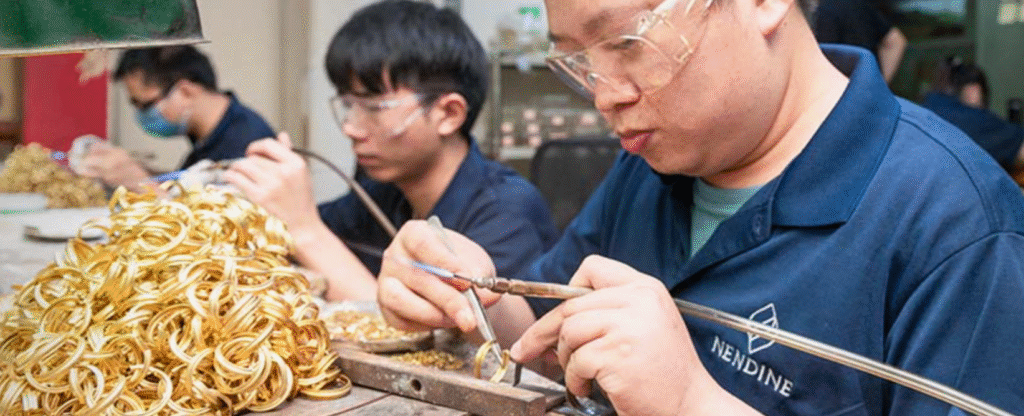
中国の宝飾品産業は巨大です。その規模は数十億ドルに上り、数百万人の労働者が従事し、大量生産からブティック向けの職人技による製品まで、あらゆるレベルで数千社のメーカーが操業しています。これは世界有数の宝飾品生産拠点の一つであり、多様なニーズに応えています。.
主要な製造業都市には、次のようなものがあります:
- 深セン – 「ハードウェア界のシリコンバレー」として知られるこの地は、高級ジュエリーやテクノロジーを融合させたジュエリーのメッカでもあります。.
- 広州 – ファッションジュエリーやコスチュームジュエリーのメーカーに最適です。.
- 義烏 – 低コスト・大量生産の製品を専門としており、トレンドを重視するブランドに最適です。.
- 青島 – 模造品や合金製のジュエリーで知られている。.
中国の市場には、あらゆるスタイルやカテゴリーの商品が揃っています。高級なゴールドやダイヤモンドのジュエリーから、中価格帯のシルバージュエリー、さらにはステンレスや樹脂で作られたファストファッション風のアイテムまで、多岐にわたります。そのため、ボヘミアン風のネックレスであれ、ミニマルなスターリングシルバーの指輪であれ、どのようなニッチなニーズであっても、その需要に応えられるサプライヤーが見つかるでしょう。.
しかし、ここで問題となるのは、選択肢の多さに圧倒されてしまう可能性があるということです。だからこそ、自社のブランド目標に最も合致する地域や工場の専門分野を見極め、検索範囲を絞り込むことが極めて重要です。.
中国からジュエリーを調達するメリット
Etsyの個人販売者から売上高数百万ドル規模のECブランドに至るまで、なぜ誰もがジュエリーの製造を中国に委託するのか、その理由について考えてみましょう。メリットは数多くあり、適切な方法で中国からの調達を行えば、ビジネスに画期的な変化をもたらすことができます。.
1.費用対効果
中国で製造を行う最大の理由の一つは、価格です。人件費の低さ、規模の経済、そして効率化されたサプライチェーンにより、中国のメーカーは品質を犠牲にすることなく、競争力のある価格設定が可能となっています。これにより、企業は利益率を高めたり、顧客により手頃な価格を提供したりすることができます。.
2. 豊富な品揃えとカスタマイズ
中国の工場は驚くほど多岐にわたる製品に対応しています。ダイヤモンドをあしらった高級ゴールドジュエリーから、手頃な価格のコスチュームジュエリーまで、どのようなニーズにも応えられるメーカーが見つかります。また、ほとんどの工場では、刻印、特注金型、メッキ加工などのカスタマイズサービスも提供しているため、競争の激しい市場でひときわ目を引く、独自のコレクションをデザインすることができます。.
3. 迅速な対応と高い拡張性
数週間のうちに数千単位の製品が必要ですか?中国のメーカーは、スピードと規模の拡大に強みを持っています。彼らは大規模な注文に対応することに慣れており、納期を犠牲にすることなく、迅速に生産規模を拡大できることがよくあります。この柔軟性は、プロモーションを実施する場合や、在庫を拡充する場合、あるいは話題のトレンドに乗る場合に不可欠です。.
4. 整備されたインフラ
中国の宝飾品製造エコシステムは成熟しています。原材料の調達から組み立て、メッキ、品質管理に至るまで、多くのメーカーがワンストップソリューションを提供しています。つまり、物流の管理や、生産の各段階ごとに複数の業者を探すといった手間が軽減されます。.
5. 世界市場へのアクセス
多くの中国のメーカーは、すでに欧州、米国、オーストラリアなどへの製品輸出に精通しています。彼らは国際基準、輸送手続き、コンプライアンス要件を熟知しているため、お客様の負担を大幅に軽減することができます。.
もちろん、こうした利点はすべて、 右 パートナー、というわけで、次のセクションに移りましょう……
中国のメーカーと取引する際のよくある課題

すべてが順風満帆というわけではありません。中国からの調達には大きなメリットがある一方で、その道のりには、準備ができていないとビジネスを頓挫させてしまう可能性のある落とし穴が至る所に潜んでいます。ここでは、最もよくある課題のいくつかを見ていきましょう。.
1. 品質管理上の問題
メーカーによって品質にはばらつきがあります。品質よりも生産量を優先するメーカーもあり、その結果、品質のばらつきや欠陥が生じたり、サンプルと一致しない製品が製造されたりすることがあります。定期的な検査を行っていない場合、品質上の問題が判明するのは、商品が倉庫に届いてからになってしまう可能性があります。.
2. コミュニケーションの障壁
工場によって英語の習熟度には大きなばらつきがあります。製品の仕様、納期、価格に関する誤解はよく起こります。コミュニケーションにおいて極めて明確に、かつ繰り返し説明を行わないと、期待とは大きく異なる結果になってしまう可能性があります。.
3. 文化の違い
ビジネスエチケットや交渉のスタイル、さらには納期の概念に至るまで、国や地域によって大きく異なる場合があります。例えば、あなたが「厳守すべき納期」と捉えているものが、製造業者にとっては「柔軟に対応できるもの」と見なされることもあります。こうした微妙な違いを理解し、それに適応することが、円滑な連携を図るための鍵となります。.
4. 知的財産(IP)に関するリスク
率直に言って、知的財産権の侵害は深刻な懸念事項です。適切な契約や知的財産権の保護策がなければ、独自のデザインが模倣され、競合他社に販売されたり、他の小売業者向けに大量生産されたりする恐れがあります。自らを守る方法はいくつかありますが(これについては後ほど詳しく説明します)、初めて輸入を行う人の多くは、この重大なリスクを見落としがちです。.
5. 詐欺的な製造業者
残念ながら、正規の工場を装った詐欺的な企業が存在します。こうした詐欺師たちは、前金をだまし取って姿を消したり、契約内容と異なる低品質の商品を納品したりすることがあります。十分な調査を行うことは、絶対に欠かせないことです。.
6. リードタイムの長期化と遅延
生産の待ち行列、祝日(春節など)、そして世界的な配送の遅延などを考慮すると、常に遅延に備えておく必要があります。代替案を用意し、スケジュールに余裕を持たせておくことが不可欠です。.
こうした課題を克服するには、まず明確な認識、調査、そして確固たる審査プロセスから始める必要があります。そこで、次の話題に移りましょう……
ご自身のジュエリーに関する具体的なニーズを見極める

サプライヤーの検索を始める前に、自分が実際に何を求めているのかを明確にしておきましょう。自社のニーズをしっかりと把握していればいるほど、条件に合わないメーカーを絞り込むのが容易になります。.
1. オーダーメイドのジュエリーと既製品のジュエリー
一から独自のコレクションをデザインする予定ですか、それとも自社ブランドを冠した既製品を販売する方が良いでしょうか?カスタムジュエリーの場合、金型製作、CAD設計、試作の能力を備えたメーカーが必要となります。一方、既製品のジュエリーは、はるかに迅速に調達でき、通常は最低注文数量(MOQ)も低くなります。.
2. 素材が重要
ジュエリーにどのような素材を使いたいかを決めましょう。以下にいくつかの選択肢をご紹介します:
- ゴールド(14K、18K、24K) – 高級で豪華だが、値段が高い。.
- シルバー(スターリングシルバー 0.925) – 品質とコストのバランスが絶妙です。.
- ステンレス鋼 – Affordable, durable, and hypoallergenic.
- Brass & Copper Alloys – Common in costume jewelry.
- Resin, Acrylic, Wood, etc. – Ideal for artistic or trend-focused collections.
Different manufacturers specialize in different materials, so knowing what you need up front will save you tons of time.
3. Style and Market Positioning
Are you selling minimalistic, everyday pieces? Trendy TikTok-friendly styles? Or luxury items for a high-end boutique? Knowing your target market helps you assess whether a factory’s design style and quality level match your expectations.
4. Target Price Point
Figure out your retail and wholesale pricing models so you can reverse-engineer your ideal production cost. This will help you avoid wasting time with manufacturers whose pricing is too high (or suspiciously low).
Clarity on all these fronts will help you filter manufacturers more efficiently and set yourself up for long-term success.
中国のジュエリーメーカーの探し方
Alright, so now you know what you need. Time to actually find a manufacturer that ticks all the boxes. Fortunately, you have several solid avenues to explore. The key is not relying on just one channel—mix and match to cross-verify and dig deeper.
1. B2B Platforms
These online directories are the go-to starting point for most entrepreneurs. Here are the big players:
- アリババ – The king of B2B platforms. You’ll find thousands of jewelry suppliers with various certifications, reviews, and MOQs. Always filter by “Verified Suppliers” and check for Trade Assurance.
- メイド・イン・チャイナ・ドット・コム – A serious alternative to Alibaba with a strong focus on Chinese suppliers only.
- グローバルソースドットコム – Slightly more curated and leans toward higher-end manufacturers.
Be cautious—these platforms also attract middlemen and drop shippers posing as factories. Always request factory videos, business licenses, and do further vetting.
2. Google Search
Surprisingly effective. Use specific keywords like:
- “custom jewelry manufacturer China”
- “OEM silver jewelry factory Shenzhen”
- “private label stainless steel jewelry supplier China”
Check their websites, look for factory photos/videos, client reviews, and whether they attend trade shows. A legitimate manufacturer will have a well-maintained site and professional communication.
3. Trade Fairs
Nothing beats face-to-face interaction. If you’re serious about building relationships, consider visiting:
- 広州交易会 (Guangzhou) – Massive trade show for all industries, including jewelry.
- Hong Kong International Jewellery Show – Ideal for meeting high-quality manufacturers.
- China International Gold, Jewellery & Gem Fair – Another high-level event, often held in Shenzhen or Shanghai.
These events let you physically inspect samples, negotiate terms, and build trust.
4. Sourcing Agents and Consultants
If you’re strapped for time or don’t want to navigate the market alone, a reputable sourcing agent can help you:
- Vet factories
- Negotiate terms
- Handle shipping and quality control
Just be sure your agent is transparent and provides factory names and direct contacts.
5. Referrals and Networking
Ask in industry Facebook groups, Reddit threads, or private business communities. You’d be surprised how many people are willing to share legit supplier contacts—especially if you build a relationship or offer value in return.
メーカープロフィールの評価

Once you’ve got a list of potential suppliers, it’s time to play detective. This step is absolutely crucial if you want to avoid scams, poor communication, or inconsistent quality.
1. Company Background
Start with the basics:
- How long have they been in business?
- Do they own their factory or outsource production?
- Do they have a physical address you can verify?
- Do they specialize in the kind of jewelry you want?
A supplier who’s been around for 10+ years and has a robust export history is a good sign.
2. Certifications
Look for any of the following:
- ISO 9001 – Indicates quality management standards.
- Sedex / BSCI – For ethical and social compliance.
- RoHS / REACH – For material safety (important for EU markets).
- GIA/IGI Certifications – For gemstone authenticity (if applicable).
3. Product Range and Specialization
A factory that specializes in high-end silver jewelry is probably not the best option for cheap resin earrings—and vice versa. Ask for their latest catalog and note consistency in design, style, and materials.
4. Export History
Do they already export to your target market? If they’ve shipped to the US, UK, or EU, they’ll be familiar with regulatory compliance, quality standards, and shipping logistics.
5. Communication and Responsiveness
Do they answer emails quickly? Are they clear and professional? You’ll be communicating often, so responsiveness is key. Poor communication at this stage is a huge red flag for what lies ahead.
Once you’ve narrowed down a few promising leads, it’s time to…
MOQ(最小注文数量)の重要性を理解する
MOQ can make or break your ability to work with a factory—especially if you’re just starting out. Here’s how to navigate it smartly.
1. What is MOQ?
MOQ is the smallest number of units a manufacturer is willing to produce in a single order. For jewelry, MOQs can range from 50 to 1000+ units per design or SKU.
MOQs are set based on:
- Material costs
- Production efficiency
- Labor requirements
- Packaging needs
2. How to Negotiate a Lower MOQ
If a supplier quotes an MOQ that’s out of your budget, here are a few tactics:
- Start with fewer designs – Focus on 1 or 2 designs and scale later.
- Offer to pay more per unit – If you’re covering their setup costs, they may accept a smaller batch.
- Use standard materials and components – Custom parts increase MOQs.
- 関係を築く – Once trust is established, suppliers are more flexible.
3. Why MOQs Matter
Don’t blindly go for the supplier with the lowest MOQ. A factory with a high MOQ might do higher-quality work because they focus on serious buyers. It’s about finding balance—not just chasing the lowest entry point.
Set your budget, understand your cash flow, and make sure you can sell through the inventory you commit to ordering. Remember, the goal is to scale gradually without drowning in unsold stock.
正当性と真正性の確認
This step can save you thousands of dollars and months of frustration. No matter how good a manufacturer looks on paper—or online—you should never skip due diligence. Here’s how to confirm that you’re dealing with a legitimate and capable jewelry manufacturer in China.
1. Business License Verification
Ask the supplier for their Chinese business license. Every legitimate business in China is registered and has a license issued by the State Administration for Market Regulation (SAMR). You can use third-party services like Qichacha or Tianyancha (both Chinese-language databases) to check the authenticity and:
- Registered company name
- Legal representative
- Business scope
- Establishment date
- Operational status
Tip: A red flag is if the company name on the license doesn’t match the name on their Alibaba profile or invoice.
2. Request Factory Photos or Videos
Ask for real-time photos or video tours of their manufacturing facility. Look for:
- Jewelry-making equipment
- Packaging and QC stations
- Employees actually working on production
- Factory signage showing the company name
Stock photos or unwillingness to share media is a warning sign—they could be trading companies or middlemen.
3. Use a Third-Party Verification Service
For extra peace of mind, you can hire companies to perform audits or verifications on your behalf. These services usually include:
- Business license verification
- Factory audit (onsite or virtual)
- Sample inspection
- Employee interviews
- Production capability assessment
Recommended services:
- SGS
- TÜV SÜD
- キマ
- アジア検査
- Alibaba’s Onsite Check
These cost anywhere from $150–$500, but they’re worth every penny if you’re planning to make large orders.
4. Visit the Factory Yourself (If Possible)
If you’re making a serious investment and can fly to China, visiting the factory in person is the gold standard. You’ll get to:
- Inspect the production line
- Meet the team
- Negotiate face-to-face
- 信頼を築く
If traveling isn’t an option, consider hiring a local sourcing agent or inspector to do it for you.
5. Search for Red Flags
Be wary if:
- The supplier has zero online presence outside of B2B platforms
- Their email address is a generic Gmail or Yahoo address (instead of a business domain)
- They dodge questions or become evasive during vetting
- Their prices are も low—remember, if it sounds too good to be true, it probably is
製品の品質評価
This is arguably the most important part of the sourcing process. You need to be obsessed with quality because your customers will be. A single batch of poorly made jewelry can kill your brand’s reputation.
1. Ask for Samples
Always request physical samples before placing a full order. Assess:
- Craftsmanship: Are joints clean and polished?
- Materials: Is it genuine silver, stainless steel, or something else?
- Finishing: Any tarnishing, sharp edges, or plating issues?
- Weight and feel: Does it feel substantial or cheap?
Don’t just rely on photos—test the samples yourself. Wear them, expose them to water, and see how they hold up over time.
2. Understand Their Quality Standards
Ask manufacturers about:
- Their internal quality control process
- How many QC staff are on their team
- What tests are done during production
- How they handle defects
A good manufacturer should have multiple QC stages, such as:
- Raw material inspection
- In-process checks
- Final inspection before packaging
3. Define Your Own Quality Criteria
You need to give them clear specs and expectations. This includes:
- Material composition (e.g., .925 silver, 316L stainless steel)
- Plating thickness (e.g., 18k gold plated, 2.5 microns)
- Tolerance for imperfections (e.g., no more than 2% defect rate)
- 梱包要件
Put all this into a Quality Checklist and make it part of your purchase agreement.
4. Consider Hiring a QC Inspector
Before your goods leave the factory, hire a third-party inspector (like QIMA or AsiaInspection) to do a final check. They’ll inspect random units from your batch and ensure everything meets your criteria.
A typical inspection report includes:
- Photos of finished products
- Measurement checks
- Defect rate analysis
- Packaging review
This extra step ensures you’re not in for a nasty surprise once your shipment arrives.
メーカーとの効果的なコミュニケーション
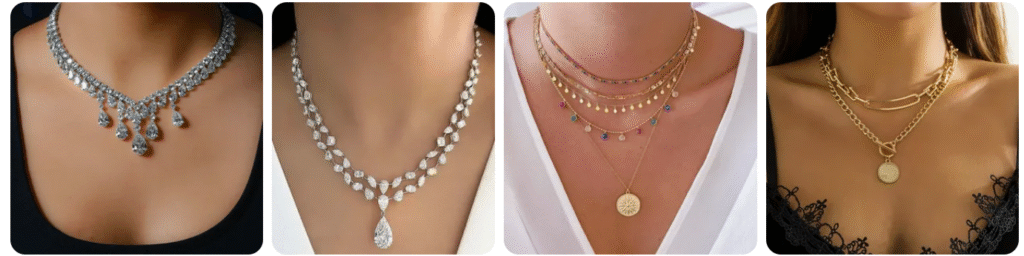
Good communication can make or break your manufacturing partnership. The clearer you are, the fewer misunderstandings, delays, and costly mistakes you’ll face.
1. Use Simple, Clear Language
Remember: even if your manufacturer claims to have “fluent English support,” they may rely on translation software or assistants. So:
- Avoid slang, idioms, or cultural references
- Use short, clear sentences
- Always confirm their understanding (ask them to repeat back)
2. Send Visual References
Don’t just describe your design—show it.
- Use sketches, 3D renders, CAD drawings, or real product photos
- Annotate images with measurements, materials, and finishes
- Create tech packs for custom designs (if possible)
Visuals remove ambiguity and reduce errors significantly.
3. Be Consistent and Professional
Use tools like:
- Email for formal communications and record keeping
- 微信 または WhatsApp for quicker chats
- Google Docs または Notion to organize product info, specs, and timelines
Keep all documentation in one place so everyone is on the same page.
4. Watch for Red Flags
If a supplier is slow to respond, vague, or inconsistent in communication, think twice before moving forward. Reliable manufacturers are professional and timely—even during busy seasons.
5. Clarify Everything in Writing
これには以下が含まれる:
- リードタイム
- 制作スケジュール
- Quality standards
- 支払条件
- 梱包要件
- Return/replacement policy
Get it in writing, ideally in a formal Purchase Agreement. Trust is important—but so is protection.
価格と支払条件の交渉
Let’s be honest—negotiating with manufacturers can feel like walking a tightrope. You don’t want to insult them with a lowball offer, but you also don’t want to overpay. The trick is to know your numbers, understand the culture, and negotiate with confidence and respect.
1. Understand the Pricing Structure
Before jumping into price talks, get a clear breakdown of what’s included:
- Cost per unit
- Plating/material surcharges (e.g., for gold, silver, rhodium)
- Packaging fees
- Mold/setup fees (common for custom designs)
- Shipping costs
- Import duties (your responsibility)
Some suppliers will offer all-inclusive pricing; others will list these separately. Always ask for clarity.
2. How to Negotiate Professionally
Chinese business culture values long-term relationships over quick wins. Approach negotiations with the mindset of building a partnership. Here are some tips:
- Don’t start with price. Show serious interest, ask smart questions, and build rapport first.
- Reference competitors without threatening. You can say, “Another supplier quoted X, can you do better?”
- Offer something in return. For example, promise a second order or higher quantity later if they lower the MOQ or price now.
- Negotiate around other terms if price is fixed. Ask for:
- Faster lead times
- Free packaging upgrades
- Flexible payment terms
3. Payment Methods and Safety Tips
Standard payment methods include:
- T/T (Telegraphic Transfer): Most common. Usually 30% deposit, 70% before shipment.
- PayPal: Good for small orders but comes with high fees.
- Alibaba Trade Assurance: Offers buyer protection for payments.
- Letter of Credit (L/C): More secure, but usually for large orders.
- Western Union: Avoid—high risk, little protection.
Tips to stay safe:
- Never send money to a personal bank account
- Use contracts and formal invoices (called a Proforma Invoice)
- Break payments into milestones for large orders
4. Watch Out for Hidden Costs
Make sure your quote includes everything—plating, engraving, QC, packaging, and shipping. If the price seems too good to be true, it probably is. Low-cost manufacturers may cut corners on materials or skip quality checks.
知的財産の保護
When working with overseas manufacturers, protecting your designs and brand becomes even more critical. China has a reputation for IP risks, but there are proactive steps you can take.
1. Use NDAs (Non-Disclosure Agreements)
Before you share any custom designs or confidential info, have the manufacturer sign a bilingual NDA (in English and Chinese). Make sure the Chinese version is legally binding in China.
You can also include:
- Non-compete clauses
- Penalties for violations
- Agreement on confidentiality for subcontractors
2. Get a Manufacturing Agreement in Place
An NDA alone isn’t enough. Draft a manufacturing agreement that outlines:
- IP ownership
- Sample approval process
- Lead times and penalties
- Quality standards
- 支払条件
- Dispute resolution method
Use a lawyer or template tailored to China’s legal system—this document is your main line of defense.
3. Register Your IP in China
Here’s a hard truth: IP protection in your home country doesn’t cover you in China. You must register:
- Your brand name/trademark with the China National Intellectual Property Administration (CNIPA)
- Your design patent if applicable
This is especially important if you plan to scale. Once you register, you gain legal grounds to stop copycats or unauthorized use.
4. Limit Exposure
You can also reduce risk by:
- Working with trusted manufacturers who don’t outsource
- Dividing production (e.g., parts made by separate vendors)
- Keeping proprietary elements (like packaging design or engraving) in-house
輸送・物流
You’ve found your manufacturer, finalized the order, and production is complete—now what? It’s time to get those beautiful pieces from China to your doorstep. But international shipping can be a beast if you don’t understand the basics.
1. Common Shipping Terms
- FOB (Free On Board): Supplier handles delivery to the port. You handle ocean freight, insurance, and customs.
- CIF (Cost, Insurance, and Freight): Supplier covers shipping to your port.
- EXW (Ex Works): You’re responsible for the entire shipping process—pickup from the factory, freight, and clearance.
For beginners, FOB または CIF are the easiest to manage.
2. Choosing the Right Shipping Method
- 航空貨物: Fast (3–7 days), but expensive. Ideal for urgent or lightweight orders.
- Sea Freight: Affordable, but slower (25–40 days). Best for bulk orders.
- Express Courier (DHL, フェデックス, UPS): Fast, reliable, and best for small orders or samples.
3. Work with a Freight Forwarder
Freight forwarders handle:
- Booking cargo
- Preparing documentation
- Customs clearance
- Delivering to your warehouse
A good freight forwarder is worth their weight in gold. Ask your manufacturer for recommendations or find one with jewelry shipping experience.
4. Be Prepared for Customs
You’ll need:
- コマーシャル・インボイス
- パッキングリスト
- 船荷証券または航空貨物運送状
- HS Code for Jewelry (e.g., 7117.19 for costume jewelry)
Know your country’s import duties and VAT requirements. Some importers get caught off guard by surprise taxes—do your homework or consult a customs broker.
メーカーとの長期的な関係の構築

Once you’ve found a good supplier, don’t treat them as just a vendor—treat them as a partner. Strong relationships can lead to better pricing, faster lead times, and priority service.
1. Communicate Regularly
Keep them in the loop about your product launches, marketing plans, and reorder schedules. It shows you’re serious and helps them plan capacity.
2. Be Reliable
Pay on time, be respectful, and don’t ghost them after one order. Manufacturers value consistency and will prioritize clients who behave professionally.
3. Visit or Send Gifts
A little goodwill goes a long way in Chinese business culture. Consider visiting annually (if possible), or send New Year gifts. These small gestures can cement trust.
4. Provide Feedback
Whether good or bad, your feedback helps improve quality and efficiency. Don’t just complain—offer suggestions, and be constructive.
5. Think Long-Term
Want lower prices? Better terms? More flexibility? Build a relationship that shows you’re here for the long haul—not just a one-time order.
結論
Finding a reliable jewelry manufacturer in China may seem daunting at first, but with the right approach, it’s absolutely achievable—and incredibly rewarding. Start by understanding your own needs. Research the market, vet your suppliers thoroughly, and build relationships, not just transactions.
The right manufacturer isn’t just someone who makes your product. They’re a partner who can help you scale your brand, improve your margins, and bring your creative vision to life.
Take the time to do it right, and your jewelry business will shine brighter than ever.
中国で信頼できるジュエリーメーカーを見つける方法に関するよくある質問

1. What is the average lead time for custom jewelry production in China?
Lead times can vary, but typically range from 15–45 days, depending on the complexity of the design, material availability, and factory capacity.
2. Can I trust jewelry suppliers I find on Alibaba?
Yes, but with caution. Always verify their business license, ask for references, and use Trade Assurance to protect your payment.
3. How do I handle disputes with Chinese manufacturers?
Try resolving it through clear communication first. If that fails, refer to your written agreement. Platforms like Alibaba and sourcing agents can help mediate.
4. What certifications should a jewelry manufacturer have?
Look for ISO 9001, Sedex/BSCI (ethical practices), RoHS (material safety), and specific gemstone or metal certifications depending on your product.
5. Is it better to use a sourcing agent?
If you’re new to importing or don’t speak Chinese, yes. A good agent can save you time, avoid scams, and manage quality control—just make sure they’re transparent.