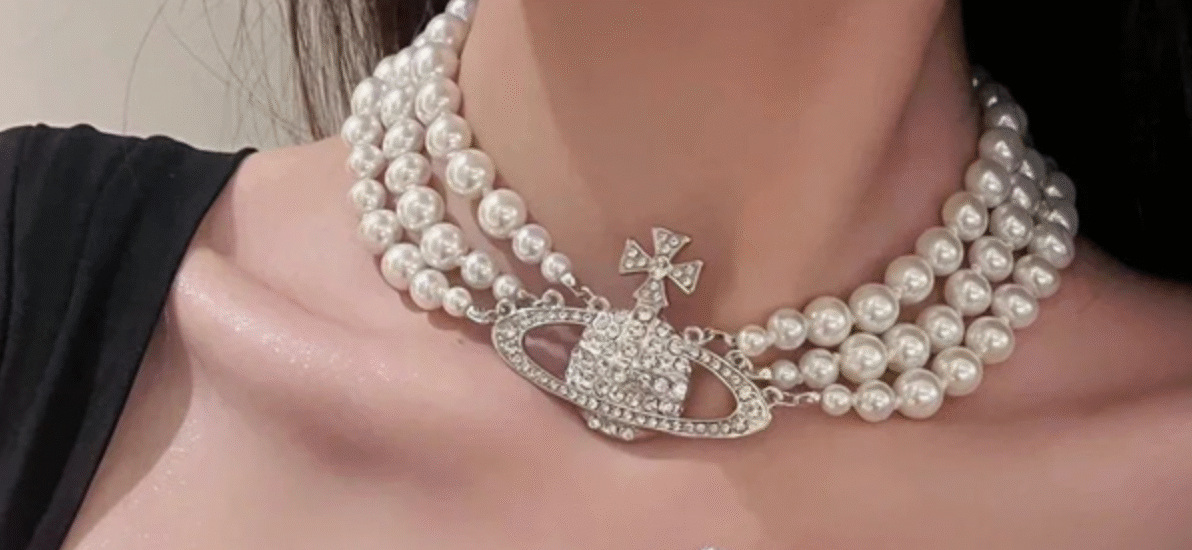
Comprar colares por grosso na China não é apenas uma opção económica — é uma jogada estratégica para quem pretende criar ou expandir um negócio de joalharia. Quer seja um principiante a tentar lançar a sua primeira loja online ou um retalhista experiente à procura de melhores margens, compreender como se orientar no panorama da produção chinesa pode abrir portas à qualidade, à variedade e ao lucro. A China é um dos maiores produtores de joalharia do mundo, responsável pelo fornecimento, tanto a grandes marcas como a pequenas empresas, de artigos de joalharia na moda, personalizados e de alta qualidade.
Mas, sejamos honestos: tudo isto pode ser um pouco avassalador. Com milhares de fornecedores, barreiras linguísticas, complicações com os envios e preocupações com a qualidade, como saber em quem confiar ou por onde começar? É aí que este guia entra em cena.
Vamos acompanhá-lo desde os conceitos básicos para principiantes, como encontrar fornecedores e negociar quantidades mínimas de encomenda (MOQ), até dicas avançadas, como estratégia de marca, marca própria e como trabalhar diretamente com os fabricantes. Irá aprender sobre os principais mercados de joalharia, plataformas de fornecedores, métodos de envio e sinais de alerta a evitar.
Por isso, prepare-se — quer esteja a fazer a sua primeira encomenda ou a sua quinquagésima, este é o guia mais completo e atualizado sobre fabricantes grossistas de colares na China.
Índice
Compreender a indústria chinesa de fabrico de joalharia
A indústria de fabrico de joalharia da China não é apenas grande — é uma potência global. Com décadas de experiência em produção, equipamento de alta tecnologia e baixos custos de mão-de-obra, a China é hoje o centro de referência para todos os tipos de joalharia, especialmente colares. Desde bijutaria económica até peças de luxo banhadas a ouro e em prata esterlina, as fábricas chinesas conseguem produzir de tudo — e em grandes quantidades.
Principais cidades industriais:
- Guangzhou: Conhecida pela joalharia de moda, ligas metálicas, aço inoxidável e acessórios.
- Shenzhen: Sede de fábricas de joalharia de luxo, especialmente de ouro, prata e diamantes.
- Yiwu: A capital dos pequenos produtos e da produção em massa a baixo custo.
Estas cidades albergam milhares de fábricas e mercados grossistas que produzem milhões de colares diariamente. Oferecem serviços que vão desde a produção de equipamento original (OEM) até à produção de design original (ODM), tornando-as ideais para compradores que pretendem designs com a sua própria marca ou personalizados.
Tipos de materiais habitualmente utilizados:
- Aço inoxidável (resistente e hipoalergénico)
- Liga de zinco (ideal para joalharia de moda)
- Prata esterlina 925
- Revestimento em ouro e ouro-rosa
- Pedras preciosas naturais e contas
- Couro, vidro e acrílico
Estas opções permitem-lhe adquirir praticamente qualquer estilo ou qualidade de colar que se possa imaginar — sem nunca sair da sua secretária.
Por que escolher a China para a produção em grande escala de colares?
Ainda se pergunta por que razão toda a gente parece estar a adquirir as suas joias na China? É simples: a China oferece uma relação qualidade-preço imbatível, flexibilidade e rapidez. Quer esteja à procura de colares modernos a preços baixos ou de peças requintadas em prata esterlina, os fabricantes chineses podem fornecê-las por uma fração do preço que pagaria noutro local.
Eis porque é que a China é a melhor escolha:
- Custos de produção mais baixos: Devido aos custos reduzidos da mão-de-obra e das matérias-primas, os preços são significativamente mais baixos do que nos países ocidentais.
- Escalabilidade: Quer precise de 100 ou de 100 000 peças, as fábricas na China conseguem adaptar a produção com um prazo de entrega mínimo.
- Grande variedade: Desde gargantilhas minimalistas a peças ousadas e marcantes, existe uma variedade infinita de estilos e materiais.
- Personalização: Quer o seu logótipo, uma embalagem especial ou um design exclusivo? A maioria dos fornecedores oferece serviços OEM/ODM.
- Envio eficiente: Graças a redes logísticas bem desenvolvidas, até mesmo remessas de grande dimensão chegam a qualquer parte do mundo em poucas semanas.
Em suma, a China facilita a realização de testes com pequenos lotes, a expansão rápida e a criação de um negócio de joalharia sustentável sem gastar uma fortuna.
Tipos de colares fabricados na China
Quer esteja à procura de colares da última moda ou de peças luxuosas com pedras preciosas, a China tem um fornecedor especializado no que precisa. Aqui fica uma lista dos tipos que irá encontrar:
1. Colares de moda
Fabricadas com materiais como liga de zinco, plástico, acrílico ou pedras artificiais. Ideais para linhas de moda rápida e de joalharia económica.
2. Colares de joalharia de luxo
Fabricadas em prata esterlina 925 genuína, pedras preciosas autênticas, pérolas de água doce ou com banho de ouro. Frequentemente utilizadas por marcas de boutique e retalhistas de luxo.
3. Colares personalizados e feitos à medida
Pense em pingentes gravados, colares com placas de identificação, pingentes com pedras de nascimento — qualquer coisa adaptada ao gosto pessoal. As fábricas OEM/ODM costumam especializar-se neste tipo de produtos.
4. Colares com pingente
Estão disponíveis em praticamente qualquer forma ou tema — em forma de coração, símbolos religiosos, desenhos geométricos, etc. São perfeitos para segmentação de nichos.
5. Colares de contas e pedras preciosas
Pedras naturais como a turquesa, a ametista, o jade e outras. Frequentemente enfiadas à mão e vendidas em conjuntos.
6. Gargantilhas e estilos em camadas
Muito populares nas tendências atuais da moda. São frequentemente confecionados em couro sintético, fita, correntes ou com várias camadas de pingentes.
Tendências em 2025:
- Desenhos geométricos minimalistas
- Colares com iniciais e nomes
- Pingentes com os signos do zodíaco
- Combinação de pedras preciosas ao estilo boho
- Materiais sustentáveis ou ecológicos
Seja qual for o seu nicho, os fabricantes chineses já o estão a produzir — e em grande escala.
Principais mercados grossistas de colares na China
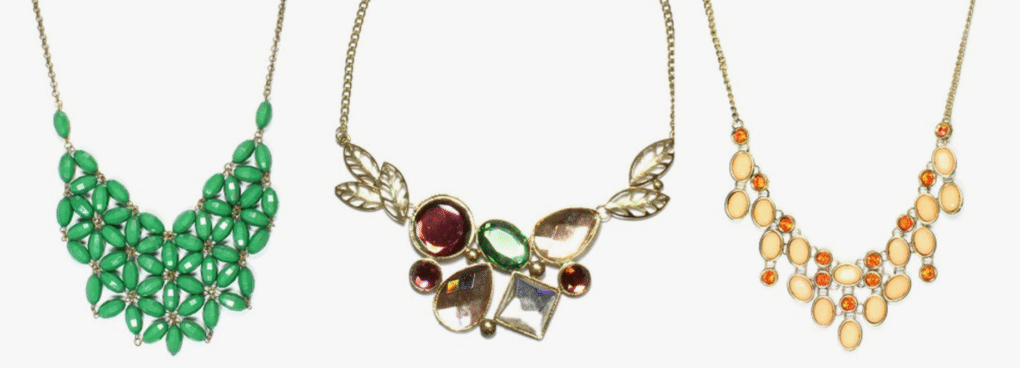
Se alguma vez for à China e quiser comprar colares pessoalmente, estes mercados grossistas são de visita obrigatória:
1. Mercado de Joalharia de Xijiao, em Guangzhou
- Especializa-se em joalharia de moda de gama média a baixa
- Milhares de bancas e salas de exposição
- Personalização disponível no local
2. Cidade do Comércio Internacional de Yiwu
- O maior mercado grossista do mundo
- Ideal para aquisições de grande volume e baixo custo
- Ideal para principiantes devido à grande variedade
3. Centro de Joalharia de Shuibei, em Shenzhen
- Especializada em joalharia de alta qualidade e produtos de luxo
- Apresenta fabricantes certificados com equipamento avançado
- Ideal para colares de ouro, prata e pedras preciosas
Cada mercado oferece algo diferente, dependendo do seu modelo de negócio, quer seja um vendedor de comércio eletrónico com preços acessíveis ou o proprietário de uma boutique de luxo.
As melhores plataformas de venda por grosso de colares na China
Não pode viajar para a China? Não se preocupe. Aqui estão as melhores plataformas online para entrar em contacto com fabricantes de colares por grosso:
1. Alibaba
- Ótimo para encomendas em grande quantidade, designs personalizados e marcas próprias
- Garantia comercial integrada e verificação de fornecedores
- Os filtros avançados ajudam-no a encontrar o fornecedor especializado certo
2. Made-in-China.com
- Semelhante ao Alibaba, mas conta frequentemente com fornecedores de nível mais industrial
- Mais adequado para OEM/ODM e empresas de maior dimensão
3. DHgate
- Melhor para encomendas mais pequenas e quantidades mínimas de encomenda (MOQ) reduzidas
- Frequentemente utilizado por dropshippers e vendedores da Amazon
4. 1688.com
- Versão chinesa do Alibaba com preços no mercado interno
- É a opção mais barata, mas requer um tradutor ou um agente de abastecimento
Dicas:
- Verifique sempre as certificações da empresa
- Solicitar amostras de produtos
- Recorra a um serviço de depósito em garantia ou a um seguro de transação para proteger o pagamento
Fabricantes a granel de colares com as melhores avaliações na China
Se está realmente interessado em adquirir colares a granel, é fundamental trabalhar diretamente com um fabricante de confiança. O que procura é consistência, qualidade, comunicação e capacidade de expansão. Aqui fica uma lista dos fabricantes de colares mais bem cotados da China, que conquistaram uma sólida reputação no mercado global:
1. Shenzhen Keke Jewelry Co., Ltd.
- Especialidades: Colares em aço inoxidável e prata 925
- Certificações: SGS, CE, RoHS
- Pontos fortes: Serviços OEM/ODM, peças de moda na última tendência, prazos de entrega rápidos
- Mercados em que operamos: América do Norte, Europa, Austrália
A Shenzhen Keke é conhecida pelos seus designs de vanguarda, pela rapidez na entrega e pela capacidade de personalização. É a escolha ideal tanto para marcas de joalharia recém-criadas como para as mais experientes.
2. Guangzhou Haoyuan Jewelry Co., Ltd.
- Especialidades: Joalharia de moda, incluindo pingentes, gargantilhas e colares com pedras preciosas
- MOQ: A partir de 50 unidades
- Pontos fortes: Preços acessíveis, uma vasta gama de materiais e um apoio ao cliente atencioso
- Mercados em que operamos: A nível global, com forte presença nos ecossistemas da Amazon e da Shopify
Ideal para quem pretende testar produtos ou criar uma linha de joalharia elegante e acessível.
3. Wuzhou Hualong Jewelry Co., Ltd.
- Especialidades: Pedras preciosas sintéticas, colares de zircónia e joalharia de luxo
- Pontos fortes: Acabamentos de alta qualidade, materiais resistentes
- Melhor para: Marcas de luxo e de gama média que procuram designs com pedras incrustadas
4. Yiwu Aini Jewelry Co., Ltd.
- Especialidades: Colares de moda a preços acessíveis, designs sazonais, disponibilidade a granel
- Pontos fortes: Elevada capacidade de produção, produção rápida
- Ideal para: Retalhistas que seguem as tendências, vendedores da Etsy e marcas de comércio eletrónico de moda rápida
Estes fabricantes costumam apresentar os seus catálogos completos no Alibaba ou no Made-in-China. Peça sempre amostras antes de fazer uma encomenda de grande volume e recorra a avaliações de terceiros para verificar a sua reputação.
Como verificar a legitimidade de um fabricante
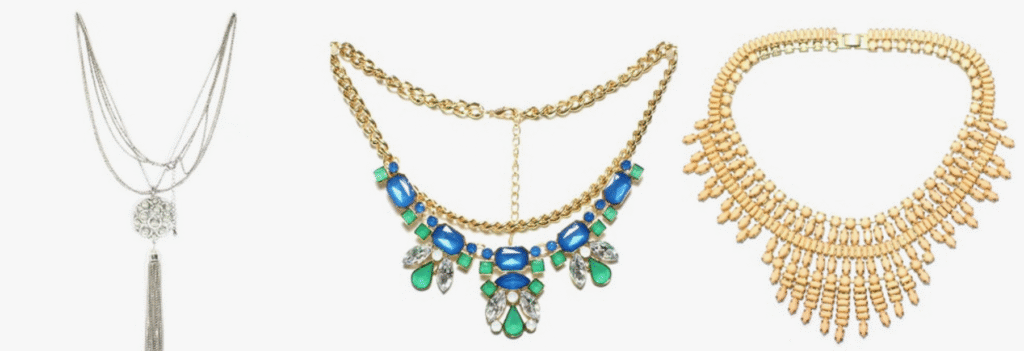
Sejamos realistas: os esquemas fraudulentos existem. O setor da joalharia, especialmente no que diz respeito ao abastecimento online, não é exceção. É por isso que é fundamental verificar quem é o seu fabricante. Quer ter a certeza de que está a trabalhar com uma fábrica verdadeira e fiável — e não apenas com um intermediário ou, pior ainda, com um burlão.
1. Verificação da licença comercial
Peça uma cópia da licença comercial chinesa da empresa. Verifique se o nome da empresa, o número de registo e a localização correspondem aos dados constantes do Sistema Nacional de Divulgação de Informações de Crédito Empresarial da China.
2. Visita à fábrica ou videochamada
Se não puder visitar pessoalmente, marque uma visita guiada em vídeo ao vivo. Peça para ver:
- A linha de produção
- Matérias-primas
- Pessoal a trabalhar em tempo real
- Armazenamento de produtos acabados
3. Certificações e auditorias
Procure:
- ISO 9001 (Gestão da Qualidade)
- Relatórios da SGS
- CE ou RoHS para conformidade ambiental
- BSCI ou Sedex (Normas laborais éticas)
4. Serviços de inspeção por terceiros
Recorra a empresas como:
- QIMA
- Inspeção na Ásia
- V-Trust
Estas empresas realizam auditorias às fábricas e inspeções pré-embarque. Isto ajuda-o a verificar a qualidade do produto e garante que o que recebe corresponde à amostra.
5. Críticas e fóruns online
O Reddit, os fóruns do Alibaba e o Trustpilot podem dar-lhe informações de outros compradores. Se uma fábrica tiver um historial negativo, é provável que alguém já tenha alertado para isso na Internet.
Não ignore este passo — um dia extra de análise pode poupar-lhe meses de dores de cabeça.
MOQ (Quantidade Mínima de Encomenda) e Preços
O MOQ (Quantidade Mínima de Encomenda) é uma das primeiras coisas que os fabricantes mencionam — e varia bastante consoante o fornecedor e o tipo de colar que encomendar.
Intervalos típicos de MOQ:
- Joalharia de moda: 50–300 peças
- Colares personalizados/com logótipo: 100–500 unidades
- Joalharia de luxo (ouro/prata): 10–100 peças
Fatores que afetam a quantidade mínima de encomenda (MOQ):
- Complexidade do material
- Nível de personalização
- Exclusividade do design
- Disponibilidade de matérias-primas
Estrutura de preços:
- Colar de liga básica: $0,30 – $1,50 por unidade
- Colar de aço inoxidável: $1,00 – $3,50 por unidade
- Prata esterlina 925: $4,00 – $15,00+
- Banhado a ouro/Pedras preciosas: $10,00 – $50,00+
Dicas de profissionais:
- Negocie a quantidade mínima de encomenda (MOQ) se estiver a fazer uma encomenda experimental
- Peça um detalhe dos custos (materiais, mão-de-obra, embalagem)
- Confirme sempre o custo total, incluindo os portes de envio
Certifique-se de esclarecer as condições de preço, como FOB (Free on Board) ou EXW (Ex Works), que determinam quem paga os portes de envio e os direitos aduaneiros.
Opções de personalização e marca própria
Quer ter a sua própria marca, embalagem e design? Os fabricantes chineses são incrivelmente versáteis no que diz respeito aos serviços de OEM (Fabricante de Equipamento Original) e ODM (Fabricante de Design Original).
O que pode personalizar:
- Design do colar (tamanho, forma, material)
- Gravação em pingentes (nomes, logótipos, iniciais)
- Tipo e comprimento da corrente
- Espessura do revestimento (por exemplo, ouro de 18 quilates)
- Caixas de presente personalizadas, bolsas e etiquetas
Passos para personalizar um colar:
- Envie o seu desenho ou imagem de referência
- Discutir as opções de materiais e acabamentos
- Obtenha um orçamento com base nas especificações
- Solicitar amostra (normalmente $30–$100)
- Aprovar a amostra e efetuar a encomenda
Prazos de entrega:
- Criação da amostra: 7 a 15 dias
- Produção em série: 20 a 40 dias, dependendo da complexidade
Nota: Muitos fornecedores exigem uma quantidade mínima de encomenda (MOQ) mais elevada para peças personalizadas, que normalmente varia entre 100 e 300 unidades por modelo.
Se está a tentar criar uma marca, a marca própria é um fator decisivo. Ajuda-o a destacar-se num mercado saturado e a fidelizar os clientes.
Expedição e logística
Então, já fez a sua encomenda — e agora? Segue-se o processo de envio. É uma peça importante do quebra-cabeças e compreender as suas opções pode poupar-lhe dinheiro e stress.
Opções de envio:
- Envio expresso (DHL, FedEx, UPS)
- Mais rápido: 3–7 dias
- Ideal para pequenas encomendas e amostras
- Opção mais cara
- Transporte aéreo de mercadorias
- 7 a 12 dias
- Mais adequado para encomendas de tamanho médio (20–500 kg)
- Terá de tratar do desembaraço aduaneiro separadamente
- Transporte marítimo (LCL ou FCL)
- 25–40 dias
- Ideal para encomendas de grande volume (mais de 1 000 unidades)
- É o mais barato por unidade, mas é mais lento
Envio DDP (Entrega com direitos aduaneiros pagos)
Quer evitar as dores de cabeça com a alfândega? Opte pelo DDP, em que o fornecedor ou o agente de transporte trata de tudo, desde o desembaraço aduaneiro até à entrega à porta.
Documentos necessários:
- Fatura comercial
- Lista de embalagem
- Conhecimento de embarque ou carta de porte aéreo
- Código HS (para colares: 7117.90 ou 7113.19)
Dica de profissional: Solicite sempre orçamentos de envio a, pelo menos, 2 a 3 transitários. Os preços podem variar consideravelmente, dependendo da época do ano, do congestionamento nos portos e do volume da sua remessa.
Dicas de controlo de qualidade e inspeção
Mesmo que tenha encontrado um fabricante de colares de renome na China, nunca ignore o processo de controlo de qualidade. A confiança é boa — a inspeção é melhor. A última coisa que quer é receber um carregamento em grande quantidade de produtos com defeito ou de baixa qualidade que prejudiquem a reputação da sua marca ou levem a devoluções e reembolsos.
Por que é que o controlo de qualidade é importante:
- Evita colares com defeito ou partidos
- Assegura que foram utilizados os materiais corretos (especialmente no caso da prata ou do ouro)
- Verifica as especificações da encomenda, tais como tamanho, cor e embalagem
- Poupa tempo e dinheiro em reembolsos, substituições e estornos
Quando inspecionar:
- Durante a produção (DUPRO):
- Identificar os problemas numa fase inicial, antes de todas as unidades serem fabricadas
- Ideal para encomendas maiores, com mais de 1 000 unidades
- Inspeção final pré-embarque:
- Realizada após a produção do 100%, mas antes do envio
- Verifica os artigos 10–30% de todo o lote com base nas normas AQL
- À chegada ao destino:
- Não é a solução ideal, pois muitas vezes já é tarde demais, mas é útil para as primeiras importações
Como fazer:
- Contratar serviços de inspeção prestados por terceiros:
- QIMA, V-Trust, AsiaInspection – o custo varia entre $100 e $300 por dia
- Forneça-lhes a sua lista de verificação (materiais, cores, comprimentos, posicionamento do logótipo, etc.)
- Criar uma lista de verificação de qualidade:
- Comprimento e peso do colar
- Espessura do revestimento (microns, no caso do revestimento em ouro)
- Ensaio de materiais (por exemplo, ensaio magnético para aço inoxidável)
- Precisão do logótipo e da gravação
- Embalagem (caixas, etiquetas, papel de embrulho)
- Consistência da amostra vs. consistência do produto a granel
Problemas de qualidade comuns nos colares:
- Manchas ou descoloração
- Fechos ou correntes partidas
- Logótipos ou gravações desalinhados
- Tamanho inconsistente das contas/pedras preciosas
- Revestimento barato que se desgasta rapidamente
Gastar um pouco mais em inspeções pode poupar-lhe milhares no futuro. O controlo de qualidade é a sua apólice de seguro.
Desafios comuns e como superá-los
A aquisição de produtos na China não está isenta de contratempos. Vamos analisar os problemas mais comuns com que os compradores se deparam — e como pode lidar com eles como um profissional.
1. Barreiras linguísticas
Nem todos os fabricantes falam inglês fluentemente. A falta de comunicação leva a atrasos, produtos errados e frustração.
Soluções:
- Use um inglês claro e simples
- Envie referências visuais (imagens, diagramas)
- Recorra a agentes de sourcing ou tradutores, se necessário
2. Atrasos na produção
Isto acontece com mais frequência do que se gostaria — especialmente em épocas de maior movimento, como o Ano Novo Chinês.
Soluções:
- Defina um prazo de execução realista + uma margem de segurança
- Receba atualizações regulares sobre a produção
- Assine um acordo que preveja multas por atraso, se necessário
3. A qualidade do produto não é consistente
As amostras têm um aspeto excelente, mas a remessa a granel não corresponde.
Soluções:
- Recorra a uma inspeção realizada por uma entidade independente
- Registe todos os detalhes na sua ordem de compra
- Evite pagar o 100% antecipadamente — recorra a pagamentos por etapas
4. Golpes relacionados com pagamentos ou «ghosting»
Alguns fornecedores desaparecem depois de receberem o seu dinheiro.
Soluções:
- Recorra ao serviço de depósito em garantia ou à garantia comercial da Alibaba
- Analise a empresa minuciosamente
- Nunca envie dinheiro através da Western Union ou de criptomoedas
5. Problemas aduaneiros e de envio
Documentação incorreta ou a ausência de códigos HS podem causar atrasos ou multas.
Soluções:
- Trabalhe com transitários experientes
- Escolha o envio DDP se for a primeira vez que importa
- Solicite sempre a documentação aduaneira adequada
Com os sistemas e as parcerias adequados em vigor, a maioria destes problemas é totalmente evitável.
Importação de colares da China: considerações legais e fiscais
Se estiver a comprar colares a granel na China e a importá-los para o seu país de origem, é importante compreender as implicações legais e fiscais. Ignorar este aspeto pode levar a apreensões alfandegárias, multas ou até mesmo à proibição da comercialização dos produtos.
1. Direitos aduaneiros e impostos
Cada país aplica direitos aduaneiros diferentes às joias importadas. Deve classificar corretamente os seus produtos utilizando o Código HS.
- Código HS comum para colares de moda: 7117.90
- Para joalharia em prata/ouro: 7113.19
Taxas aduaneiras por região (estimativa):
- EUA: 5,51 TP3T–111 TP3T, dependendo do material
- UE: 2,51 TP3T–4,51 TP3T + IVA
- REINO UNIDO: 2%–6% + IVA (20%)
- Canadá: 8,51 TP3T–111 TP3T + GST
Sugestão: Declare corretamente o valor do produto. A subavaliação pode resultar em multas ou confiscação.
2. Requisitos de rotulagem
A maioria das regiões exige:
- País de origem (“Fabricado na China”)
- Composição dos materiais (especialmente no caso da joalharia de luxo)
- Avisos de segurança (para joalharia infantil)
3. Certificações de que poderá necessitar
- REACH/ROHS para a Europa (para materiais como o chumbo e o níquel)
- CPSIA de joalharia infantil nos EUA
- Características distintivas para metais preciosos
4. Registo como importador
Alguns países exigem um Número EORI (UE/Reino Unido) ou Registo de importação para empresas. Certifique-se de que está legalmente habilitado para receber remessas em grande quantidade.
Em caso de dúvida, consulte um despachante aduaneiro ou um consultor jurídico. É melhor gastar $100 em conformidade do que $5 000 em multas.
Dicas para importadores principiantes vs. importadores de nível intermédio e avançado
Vamos analisar em que te deves concentrar, consoante o teu nível de experiência. Quer estejas apenas a começar ou a crescer rapidamente, aplicam-se estratégias diferentes.
Principiantes
- Comece por encomendas mínimas (MOQ) reduzidas e por amostras de teste
- Utilize plataformas como o Alibaba ou o DHgate
- Escolha fornecedores que ofereçam o serviço «Trade Assurance» ou opções de pagamento por conta de garantia
- Utilize o envio expresso para as primeiras encomendas
- Evite designs personalizados numa primeira fase — comece por artigos já prontos
Importadores intermédios
- Mudar para 1688 ou recorrer ao abastecimento direto da fábrica
- Negociar melhores preços e condições de pagamento
- Comece a comercializar produtos com marca própria ou embalagens personalizadas
- Recorra ao transporte aéreo ou marítimo para obter melhores margens
- Contrate um assistente virtual ou um agente de sourcing
Importadores avançados
- Trabalhar diretamente com os fabricantes (visitas às fábricas ou através de agentes)
- Assinar acordos de fabrico (acordos de confidencialidade, contratos OEM)
- Estabelecer parcerias com armazéns nos países de destino
- Foco na construção da marca e na exclusividade
- Negociar descontos por volume e contratos relativos aos prazos de entrega
Saber em que ponto estás permite-te tomar decisões mais sensatas e evitar assumir mais compromissos do que aqueles que consegues cumprir.
O futuro da produção por grosso de colares na China
A China continua a liderar, mas o panorama da produção de joalharia está a mudar. Eis o que se pode esperar nos próximos anos:
1. A ascensão da produção inteligente
As fábricas estão a investir em automação, impressão 3D e ferramentas de conceção assistidas por IA para produzir de forma mais rápida e económica, com menos erros.
2. Sustentabilidade e abastecimento ético
Cada vez mais fabricantes estão a adotar práticas ecológicas — utilizando metais reciclados, pedras de origem ética e ligas sem chumbo nem níquel. Os consumidores exigem transparência, pelo que esta será uma tendência em crescimento.
3. Transição para o apoio direto ao consumidor
Atualmente, as fábricas oferecem serviços de branding, embalagem, fotografia e até mesmo gestão de encomendas. Isto facilita que as startups cresçam à medida das grandes marcas.
4. Competição regional
Países como a Índia, o Vietname e a Turquia estão a ganhar terreno. No entanto, a China continua a deter a liderança, graças às suas infraestruturas, capacidade e rapidez.
Resumindo: a China não vai a lado nenhum, mas está a evoluir — rapidamente. Mantenha-se adaptável, mantenha-se informado e mantenha-se competitivo.
Conclusão
Adquirir colares por grosso, em grandes quantidades, na China pode ser uma das decisões mais inteligentes que pode tomar para o seu negócio de joalharia. Com acesso a preços acessíveis, uma enorme variedade de estilos e infinitas opções de personalização, a China oferece a flexibilidade de que necessita, quer esteja apenas a começar, quer já esteja a expandir o seu negócio.
Sim, leva tempo a encontrar o fornecedor certo. Sim, irá deparar-se com desafios relacionados com o envio, a qualidade e a comunicação. Mas com a abordagem certa — e com este guia no seu conjunto de ferramentas — estará bem preparado para fazer compras como um profissional.
Comece aos poucos, seja consistente e expanda de forma inteligente. O seu próximo sucesso de vendas pode muito bem estar à espera num armazém em Guangzhou ou em Yiwu.
Perguntas frequentes sobre a compra de colares na China

1. Qual é a quantidade mínima de encomenda (MOQ) média na compra de colares na China?
A maioria dos fornecedores exige uma quantidade mínima de encomenda (MOQ) de 50 a 300 unidades, dependendo do design e do material.
2. Como posso encontrar fornecedores chineses de confiança?
Utilize plataformas como a Alibaba, verifique se existem selos de verificação, solicite licenças comerciais e recorra a inspeções realizadas por entidades independentes.
3. É possível encomendar colares com design personalizado em grandes quantidades?
Sem dúvida. Muitos fabricantes oferecem serviços OEM/ODM para formas, gravações e embalagens personalizadas.
4. Será que é melhor trabalhar com um agente de abastecimento na China?
Sim, especialmente para principiantes ou encomendas de grande volume. Ajudam na negociação, nas verificações de qualidade e na comunicação.
5. Qual é a melhor altura do ano para fazer encomendas em grande quantidade?
Evite o Ano Novo Chinês (janeiro–fevereiro). A melhor altura para enviar encomendas é entre março e outubro, para evitar encerramentos de fábricas e atrasos nos envios.